How to Write a Career Summary That Impresses Canadian Recruiters

A strong career summary can shape the first impression a recruiter forms about you. In Canada’s busy job market—especially in cities like Toronto, Vancouver, Calgary, and Edmonton—hiring teams often spend only a few seconds reviewing each resume. This is why the first three to four lines on your resume need to communicate your strengths quickly and clearly. If your summary is too generic, too long, or not relevant to the job posting, you risk being overlooked. For many job seekers, working with Toronto resume writing services can help ensure that their summary aligns with Canadian recruiting expectations and industry standards.

  1. Why the Career Summary Matters in Canada

Canadian recruiters depend on the career summary to understand who you are professionally and what value you bring. It acts as a quick snapshot of your most relevant strengths, experience level, and primary achievements. Because hiring managers review so many resumes, they appreciate summaries that get straight to the point. A clear, well-written summary increases your chances of being shortlisted. If this feels challenging, professional guidance—such as the services from Professional Resumes—can help you express your strengths in a way that is both polished and appropriate for Canadian employers.
Explore services here: https://professionalresumes.ca/resume-writing-services/

  1. What Canadian Recruiters Look for in a Career Summary

Recruiters want information that is easy to understand and relevant to the role. They prefer summaries that avoid unnecessary jargon and focus instead on genuine strengths, achievements, and core skills. They also look for confidence-based writing that presents your experience clearly without sounding exaggerated. Most importantly, employers want to see what results you contributed to—not a list of duties. A good summary should also contain the right keywords so it passes through Applicant Tracking Systems (ATS). Many applicants rely on professional resume writers Toronto to ensure their resume meets these standards.

  1. The Purpose of a Career Summary (More Than Just an Introduction)

A career summary does far more than introduce your work background. It sets the tone for the rest of your resume by positioning you for the specific type of role you want. Rather than simply stating your job title, it should highlight your top strengths, your industry focus, and the direction you’re moving toward in your career. In short, your summary should give recruiters a reason to continue reading. If you’re unsure how to create a summary that reflects your real strengths, you can learn more about the expertise behind Professional Resumes here: https://professionalresumes.ca/what-differs-us/

  1. How to Write a Strong and Effective Career Summary

Start with a clear professional identity. Your opening line should explain who you are and what you specialize in. This can include phrases like “Customer service professional,” “Software developer,” or “Finance assistant with reporting experience.” Choose wording that accurately matches your experience level.

Next, highlight your most relevant achievements. Instead of repeating tasks, focus on what you helped improve, support, or complete. This shows your impact rather than simply describing your responsibilities.

You should also include a few skills that Canadian employers value in your field. These might include communication, technical abilities, team coordination, software tools, or project experience. Keep your choices relevant to the job posting.

Finally, customize your summary for each application. Even small adjustments can make a big difference in matching ATS keywords. This customization is something job seekers often get help with through resume writing Toronto services.

  1. Common Mistakes That Hurt a Career Summary

One of the biggest mistakes job seekers make is writing a summary that is too vague or could apply to anyone. Long paragraphs are also a problem because recruiters skim quickly. Another common issue is using the same summary for every job, which makes your resume feel generic. Some applicants also focus too much on duties and forget to highlight achievements. And finally, many resumes fail ATS screening because they don’t include Canadian-specific keywords.

Avoiding these mistakes instantly improves the readability and clarity of your resume.

  1. Examples of Career Summaries for Different Experience Levels

Here are simple, clear examples presented in natural language:

Entry-Level Summary
Administrative professional with experience supporting scheduling, documentation, and customer communication. Known for strong organization and reliability in fast-paced environments.

Mid-Career Summary
Marketing coordinator with experience in campaign planning, content support, and digital tools. Brings a solid mix of creativity, organization, and project follow-through.

Executive Summary
Senior leader experienced in team management, operational direction, and business improvement initiatives. Known for steady decision-making and supporting strong internal collaboration.

If you’re applying for senior roles, this service may suit your needs:
https://professionalresumes.ca/product/executive-resume/

  1. Why Formatting Matters on Canadian Resumes

A well-written summary can lose its impact if the resume isn’t formatted correctly. Canadian employers prefer clean layouts with clear spacing and short, readable sections. Your summary should sit at the top and be easy to scan within seconds. Professional formatting from services like Professional Resumes ensures your document works for both software and human reviewers.
See formatting-focused services here: https://professionalresumes.ca/

  1. When Professional Resume Help Makes a Difference

If you’re new to Canada, shifting careers, applying for leadership roles, or struggling to communicate your achievements clearly, getting expert help can be a smart choice. Working with resume help Toronto professionals ensures your summary is tailored to Canadian expectations. Whether you’re in the early stages of your career or applying for executive positions, there are services designed specifically for your level:

  1. Why Many Canadians Trust Professional Resumes

Professional Resumes is known for writing content that is clear, meaningful, and aligned with Canadian hiring standards. Instead of using templates, every resume is written from scratch based on your background, achievements, and career goals. Their writers understand different industries across Canada and focus on building resumes that work well for both ATS and human readers. Job seekers at all experience levels—from early career to executive—use their services for tailored guidance and strong outcomes.

  1. Final Thoughts

A career summary is one of the most important parts of your resume. It sets the foundation for how a recruiter perceives your experience. When written well, it communicates your strengths clearly and increases your chances of being noticed in Canada’s job market. If you find it challenging to write a summary that feels strong and natural, you can explore customized support through Toronto resume writing services at Professional Resumes.

Top Resume Mistakes to Avoid When Applying for Jobs in Calgary and Edmonton

The job markets in Calgary and Edmonton continue to grow across energy, construction, government, healthcare, tech, and financial services. But even with strong opportunities, hiring managers in Alberta are selective — and competition is tougher than many applicants expect. A resume that is outdated, unclear, or poorly structured can cost you interviews, even if you’re highly qualified.

One of the most common questions job seekers ask is:
“Why am I not getting calls back?”

Often, the issue isn’t your experience — it’s your resume. Many candidates in Alberta unknowingly repeat the same mistakes that push their resume to the bottom of the pile.

In this guide, we’ll break down the top resume mistakes to avoid when applying for jobs in Calgary and Edmonton, and how you can strengthen your resume with help from specialists — including Toronto resume writing services, Resume writing Toronto experts, and Professional resume writers Toronto who understand national hiring expectations across Canada.

  1. Not Tailoring Your Resume for Calgary & Edmonton Employers

Many job seekers send a single resume to multiple employers. This makes your resume look generic and mismatched to Alberta-specific job requirements.

Alberta employers expect:

  • Relevant technical skills
  • Industry experience
  • Certifications
  • Safety training (for trades, construction, oil & gas)
  • Local project exposure

A general resume doesn’t highlight these details clearly.

What to do instead:

Adjust your resume for each role. Focus on the company needs, Alberta’s market trends, and the skills employers value in your industry.

For expert help tailoring your resume, explore:
Professional Resume Writing Services → https://professionalresumes.ca/resume-writing-services/

  1. Using Outdated Resume Formatting

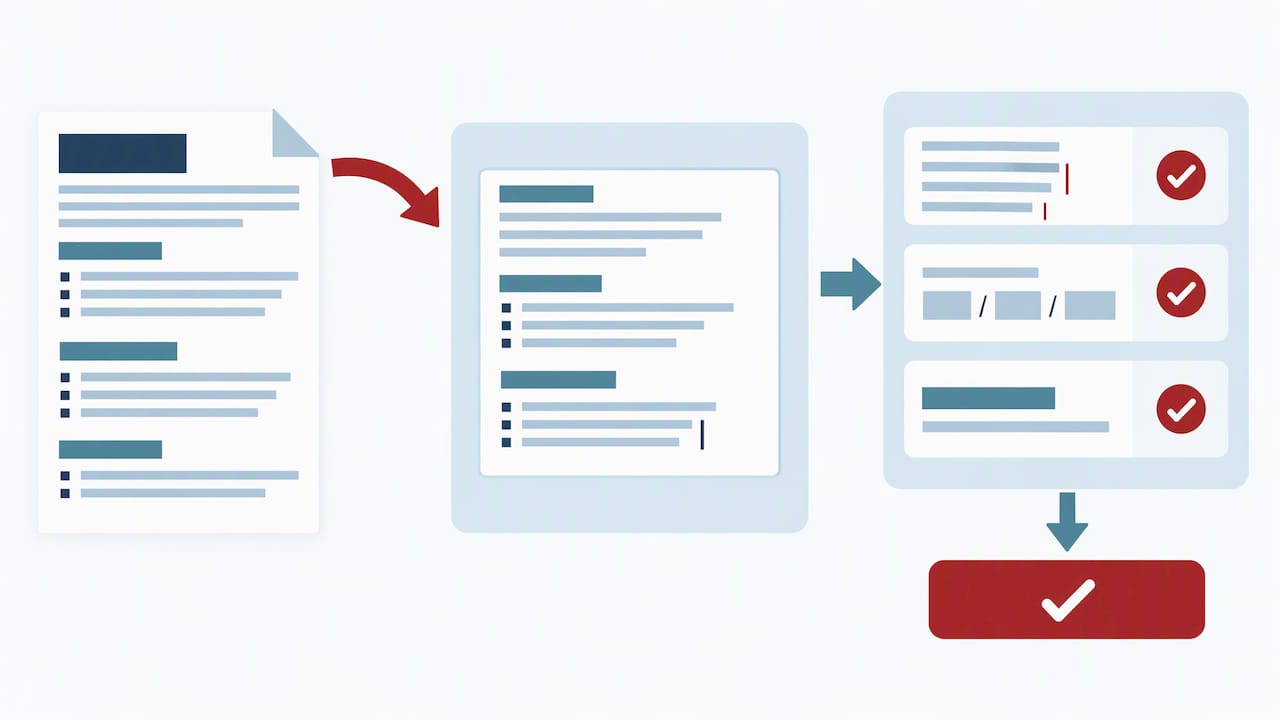
Calgary and Edmonton employers rely heavily on Applicant Tracking Systems (ATS).
If your resume format is outdated, overly designed, or filled with text boxes, ATS software may reject it before a recruiter even sees it.

Outdated formatting includes:

  • Canva-style resumes
  • Heavy graphics
  • Multi-column layouts
  • Unscannable fonts
  • Headers and footers with key info

What modern hiring managers prefer:

A clean, structured, ATS-friendly resume with:

  • Clear headings
  • Simple formatting
  • Logical flow
  • Job-specific keywords

If formatting is a challenge, you can use the help of Resume writing Toronto experts who specialize in creating ATS-compliant resumes used across Canada.

  1. Focusing on Duties Instead of Achievements

Many resumes list what you were “responsible for,” but not what you accomplished.

Recruiters prefer:

Results
Impact
Numbers
Growth
Problem-solving

Instead of:

  • “Responsible for managing schedules,”
    write:
  • (achievement-focused examples removed as requested)

Why this matters:

Hiring managers in Calgary and Edmonton want to see what value you brought to past roles and how you contributed to workplace success.

If writing achievements is difficult, Professional resume writers Toronto can help you identify your strengths and turn them into clear accomplishments.

  1. Not Adding the Right Keywords for Alberta’s Job Market

Every region in Canada has its own hiring trends.
Alberta employers often use ATS filters tailored to:

  • Energy and natural resources
  • Construction and trades
  • Government roles
  • Education
  • Logistics
  • Healthcare
  • IT and tech

If your resume doesn’t include the right keywords used in Calgary or Edmonton job postings, it may not pass the initial automated screening.

What to do:

Study 10–15 job postings in your field.
Identify repeating words and industry terms.
Integrate them naturally into your resume.

If keyword research feels overwhelming, Toronto resume writing services can support you with keyword-optimized, ATS-ready resumes.

  1. Writing Long, Dense Paragraphs

Hiring managers don’t read resumes word-for-word. They skim.

Large blocks of text make it hard for recruiters to find the information they need quickly — especially in high-volume job markets like Calgary and Edmonton.

A skim-friendly resume includes:

  • Short bullet points
  • Simple sentences
  • White space
  • Clear sections

This not only improves readability but also keeps your resume aligned with Canadian hiring expectations.

  1. Not Highlighting Alberta-Relevant Certifications

Alberta employers often require specific licenses or certifications depending on the industry.

You should feature your certifications prominently. Many job seekers bury these details at the bottom of the resume or forget them entirely, resulting in instant rejection.

If you’re applying for technical, government, safety, or industrial roles, certification placement becomes even more important.

A professional resume writer can ensure your credentials appear in the right place for maximum impact.

  1. Poor Employment History Structure

Hiring managers often complain about resumes with:

  • Missing job locations
  • No employment dates
  • Confusing career timelines
  • Unclear job titles

These issues raise red flags and may lead to automatic rejection, even if you’re qualified.

A clear employment history helps a recruiter trust your work background and understand your professional path.

If your work history is complex, Resume help Toronto can assist with organizing your career timeline properly.

  1. Typos, Grammar Errors, and Inconsistent Formatting

Small mistakes can leave a negative impression, especially in competitive markets like Calgary and Edmonton.

Common errors include:

  • Spelling mistakes
  • Inconsistent spacing
  • Incorrect punctuation
  • Changing font sizes
  • Misaligned bullet points

Even one small error can affect how professional you appear.

Professional editing through experienced resume writers ensures your resume is clean and polished.

  1. A Weak Career Summary

Your career summary sits at the top of your resume and often decides whether a recruiter continues reading.

Weak summaries are:

  • Too vague
  • Too long
  • Filled with general statements
  • Not relevant to the Alberta job market

A strong career summary:

  • Matches the job posting
  • Highlights your top strengths
  • Reflects industry expectations
  • Sets the tone for the rest of your resume

If you’re unsure how to write one, explore:
Next Step Resumehttps://professionalresumes.ca/product/next-step-resume/
Advanced Resumehttps://professionalresumes.ca/product/advanced-resume/

  1. Not Showcasing Transferable Skills for Alberta Employers

Many applicants overlook skills that Alberta employers value highly, such as:

  • Leadership
  • Safety awareness
  • Collaboration
  • Time management
  • Problem-solving
  • Adaptability

These skills help you stand out regardless of your industry.

Properly organizing these skills helps hiring managers understand your potential beyond job titles.

  1. Using an Objective Statement Instead of a Modern Summary

Objective statements are outdated. They focus on what you want, not what the employer needs.

Recruiters in Calgary and Edmonton prefer:

  • A job-focused summary
  • Clear strengths
  • Relevant experience
  • value-supported statements

This aligns your resume with modern Canadian hiring standards.

  1. Sending the Same Resume to Calgary and Edmonton Employers

Even within Alberta, employer preferences differ.

Calgary:

More corporate, finance, tech, and energy-focused.

Edmonton:

Government, trades, education, healthcare, and public-sector roles.

A one-size-fits-all resume won’t perform well across both cities.
Customizing your resume for each region increases your interviews significantly.

When You Need Professional Support

If you feel stuck with resume structure, wording, formatting, or keyword placement, you are not alone. Many job seekers in Alberta seek help from national experts, including Toronto resume writing services, because they understand hiring practices across Canada — not just Ontario.

Professional help ensures:

  • Your resume fits Canadian HR standards
  • You avoid common rejection mistakes
  • Your skills are presented clearly
  • Your resume passes ATS filters
  • Your content matches local employer expectations

Explore these resume solutions:

Final Thoughts

Finding a job in Calgary or Edmonton requires more than just experience — it requires a resume that clearly shows your strengths, fits local employer expectations, and highlights the qualities Alberta companies value most.

Avoiding the mistakes above can help you stand out, get more interviews, and move closer to the roles you want.

If you want expert guidance, clean formatting, and keyword optimization, the specialists at Professional Resumes can help you create a resume that works for recruiters across Alberta and the rest of Canada.

Personal Branding for Executives: Beyond the Traditional Resume

For senior professionals competing in Canada’s fast-moving job market, a strong personal brand is no longer optional—it’s expected. Companies hiring for executive roles in Toronto, Vancouver, Calgary, Edmonton, and across the country want more than a list of achievements. They want to understand how a leader thinks, communicates, and guides teams through change.

This is why executive candidates are increasingly turning to Toronto resume writing services, not just to create a document but to shape a clear and compelling leadership identity. A powerful personal brand helps you stand out, build trust, and demonstrate readiness for high-level responsibilities.

  1. What Personal Branding Means for Executives (Beyond the Document)

Personal branding goes much deeper than writing a resume. It’s about defining the professional identity you want people to associate with you—your values, your leadership traits, your strengths, and the impression you leave wherever you go.

For executives, this includes:

  • How you describe your leadership style
  • The challenges you solve
  • The results you create
  • The tone you use when you communicate
  • The reputation you build inside and outside your industry

Companies are not only looking at your resume—they’re reviewing your public presence, your digital footprint, and how your name comes across online.

If you’re applying for senior roles, your branding should be consistent across your resume, executive bio, and LinkedIn profile. If you need specialized help, consider the Executive Resume Writing Service:
https://professionalresumes.ca/product/executive-resume/

  1. Key Elements That Shape a Strong Executive Personal Brand

A successful executive brand is built with intention. It includes:

A clear leadership message

What do you stand for as a leader? Clarity helps hiring boards understand your direction.

A strategic career position

Are you an operational leader? A growth strategist? A turnaround specialist? Your resume and profile should reflect this.

Meaningful achievements

Executives are judged by outcomes—team growth, company performance, restructuring, expansions, improvements, and innovations.

Consistent tone and communication

Whether it’s your resume, interview responses, LinkedIn posts, or media comments, your message should feel like it comes from the same person.

A strong online presence

Your digital profile is part of your brand. Senior leaders with outdated profiles often get overlooked.

With competition increasing, many executives work with professional resume writers Toronto to refine their brand and craft documents that reflect senior-level experience.

  1. How Personal Branding Impacts Executive Hiring in Toronto and Across Canada

Executive hiring is detailed, slow, and highly selective. Companies want leaders who bring clarity, direction, and a proven record. Because of this, your personal brand plays a major role in:

  • How recruiters interpret your experience
  • Whether you get shortlisted
  • How confident you appear in interviews
  • How well hiring teams understand your leadership identity

Executives who present a clear, consistent message across their resume and online presence are often viewed as more credible and more prepared for senior roles.

To understand how refined executive branding improves hiring success, you can explore what separates one writer from another here:
https://professionalresumes.ca/what-differs-us/

  1. Why Traditional Resumes Are Not Enough for Senior Leaders

Once you reach a certain level, a standard resume doesn’t capture your value. An executive resume cannot simply list job duties or responsibilities. It must communicate:

  • A long-term leadership vision
  • The business challenges you solve
  • Your decision-making style
  • The scale of your responsibilities
  • The business impact of your work

Companies hiring executives expect a different level of communication clear, persuasive, and confident. This is why many professionals seek resume writing Toronto services to help them express complex leadership stories in a simple, clear, and strategic way.

  1. Building a Strong Online Presence: Where Canadian Executives Should Focus

Today, executive recruiters search for your name even before your interview. A strong online presence improves credibility and builds trust.

Here’s where executives should focus:

LinkedIn profile

Your LinkedIn profile should reflect your executive identity—headline, summary, achievements, and tone should all be aligned with your resume.

Search visibility

When someone searches your name, what appears? Outdated profiles or inconsistent information weaken your personal brand.

Thought leadership

Sharing industry insights, posting articles, or adding commentary helps position you as someone who leads thinking—not just teams.

For a full branding upgrade including resume, LinkedIn, and executive profile, you can explore the available services here:
https://professionalresumes.ca/resume-writing-services/

  1. How Professional Resume Writing Services Support Executive Personal Branding

This is where Toronto resume writing services become essential. Executive branding is not simply writing—it requires strategy, business understanding, and communication skill.

Professional writers help by:

  • Defining a clear executive identity
  • Highlighting the right achievements
  • Presenting leadership strengths in a confident, polished manner
  • Creating profiles that match expectations for senior applicants
  • Ensuring consistency across resume, bio, and LinkedIn

For executives preparing for a new opportunity or wanting to reposition themselves, explore:
https://professionalresumes.ca/product/executive-resume/
https://professionalresumes.ca/product/advanced-resume/

If you’re mid-career moving toward senior leadership, consider:
https://professionalresumes.ca/product/next-step-resume/

  1. Common Branding Mistakes Executives Should Avoid

Even experienced leaders make branding mistakes that can cost them opportunities. Some common issues include:

Generic leadership language

Terms like “results-driven” or “visionary” without proof add no value.

Outdated resumes

Old formatting, vague summaries, and broad duties reduce impact.

Inconsistent online and offline identity

If your resume says one thing but your LinkedIn says another, credibility drops instantly.

Too much detail, not enough clarity

Executives often try to include everything they have done. This weakens impact and confuses the reader.

No clear leadership direction

Executives without a defined direction appear unfocused, even if they have strong experience.

  1. Step-by-Step Guide: How Executives Can Strengthen Their Personal Brand

If you want to refresh your executive identity, here’s a simple approach:

Step 1: Define your leadership identity

Decide how you want to be seen—strategic leader? operations leader? growth-driven executive?

Step 2: Clarify your career direction

Be specific about the kind of roles you’re targeting.

Step 3: Rewrite your resume and executive summary

Focus on clarity, leadership tone, and measurable highlights.

Step 4: Upgrade your LinkedIn

Keep your resume and profile aligned, reflecting the same themes and strengths.

Step 5: Keep your messaging consistent

Whether it’s interviews, meetings, or networking, your tone and direction should match your brand.

  1. Why Professional Resumes (Canada) Is Trusted by Executives Nationwide

Experienced writers understand what senior leaders must communicate. With deep knowledge of hiring trends across Canada, Professional Resumes helps executives present themselves with confidence, clarity, and a polished professional tone.

Executives choose them because of:

  • Industry experience
  • Strategic approach
  • Transparent processes
  • Canadian hiring knowledge

To see how their services stand out, visit:
https://professionalresumes.ca/
https://professionalresumes.ca/what-differs-us/

  1. Conclusion

Personal branding is essential for executives aiming to stand out in Canada’s competitive job market. Whether you’re preparing for a new challenge or exploring opportunities in Toronto, your personal brand must reflect your strengths, achievements, and leadership identity.

If you want support in shaping a strong, consistent executive brand, professional resume writers Toronto can help you create documents and profiles that represent your value in the clearest possible way.

How to Refresh Your Resume for a Mid-Career Transition

Making a mid-career transition can be exciting, but it often begins with updating your resume to reflect your new goals. At this stage of your professional journey, your resume needs to showcase your strengths, transferable skills, and long-term experience in a clear and strategic way. A powerful mid-career resume doesn’t just list what you’ve done—it highlights what you can offer next.

Re-Align Your Resume With Your New Career Goals

The first step is understanding what direction you’re heading in. Your resume should be tailored toward the industry or role you want next. Review job postings, identify common skills employers are seeking, and reshape your resume to match those expectations. A mid-career transition requires intentional focus—your resume should clearly communicate why you’re the right fit.

Highlight Transferable Skills That Bridge Your Transition

Even if you’re entering a new field, many of your existing skills carry over. Leadership, project management, communication, client relations, budgeting, or technical abilities can still be valuable. Identify which strengths align with your target career and make them a central part of your resume. Creating a “Core Competencies” or “Skills Summary” section at the top helps hiring managers instantly see your value.

Update Your Professional Summary for a Fresh Narrative

Your professional summary sets the tone. Replace old career objectives with a modern summary that reflects your new direction. Focus on your experience level, your strongest skills, and your transition goals. This section should answer: What do you bring, and where are you headed next? A strong, confident summary builds credibility instantly.

Refocus Your Experience on Achievements, Not Job Duties

Mid-career professionals often have years of experience—but not everything needs to be listed. Instead of repeating job descriptions, highlight quantifiable achievements and impactful contributions. Use numbers, results, and success stories to show your progression. Emphasize projects or responsibilities that relate closely to your new career path.

Remove Outdated Information

Declutter anything that no longer adds value. Old certifications, entry-level skills, or early career jobs can be shortened or removed entirely. Your resume should look forward, not backward. Keeping the content fresh makes your profile more relevant and professional.

Showcase Training, Courses, or Certifications Relevant to Your New Path

If you’ve taken any recent workshops, online courses, or certifications to prepare for your transition, highlight them clearly. Continuous learning signals commitment and adaptability—two qualities that employers appreciate in mid-career candidates. List only relevant training so your resume stays polished.

Modernize the Overall Format and Layout

A clean, easy-to-read layout instantly improves your resume. Use consistent fonts, bullet points, spacing, and section headers. A modern resume format helps your professional story stand out while keeping the presentation simple and elegant. If you’re unsure about design or formatting, professional help can make the process faster and smoother.

Final Thoughts

Refreshing your resume for a mid-career transition is a strategic process—but it’s also a chance to redefine your professional identity. With the right structure, focus, and presentation, you can showcase your experience in a way that opens the door to new opportunities. If you want a resume crafted specifically for your next career step, Professional Resumes is here to help you stand out with confidence.

Resume Writing Tips for Finance Professionals

Finance is one of the most detail-oriented and numbers-driven professions in the world. Whether you work in accounting, banking, investment analysis, payroll, or financial planning, employers expect precision, accuracy, and professionalism. And in cities like Toronto and Vancouver, the competition is intense—finance job postings often receive hundreds of applicants within the first week.

Your resume plays a major role in whether you get a call from a hiring manager or get filtered out by an Applicant Tracking System (ATS). That’s why finance professionals cannot rely on basic templates or generic resumes. Instead, you need a resume that clearly communicates your value, achievements, and financial expertise.

This blog will guide you through the best resume writing tips for finance professionals while showing how Professional Resumes helps candidates in Toronto, Vancouver, and across Canada secure interviews faster.

  1. Understanding the Finance Job Market

The finance sector is evolving quickly. Employers expect candidates to bring strong analytical ability, technical knowledge, and the confidence to support business decisions with data.

High-demand finance positions include:

  • Financial Analyst
  • Accountant
  • Finance Manager
  • Investment Analyst
  • Budget Analyst
  • Payroll Specialist
  • Cost Accountant
  • Tax Specialist
  • Internal Auditor
  • Financial Controller

Each of these roles requires a slightly different approach to resume writing. For example, accountants may focus more on compliance, reporting, and reconciliation, while analysts highlight forecasting, data modeling, and insights.

What employers look for in finance resumes:

  • Accuracy and attention to detail
  • Financial modeling and reporting
  • Budgeting and forecasting
  • Advanced Excel or software skills
  • Analytical thinking
  • Compliance and regulatory knowledge
  • Ability to interpret data and support decisions

A strong resume shows not just what you did, but how well you did it—and the impact you made.

  1. Choosing the Right Resume Format for Finance Roles

Best Format: Reverse Chronological Resume

Finance employers prefer this format because it shows your experience in a clear timeline. It’s also the most ATS-friendly.

Avoid Functional Resumes

Functional resumes hide employment gaps and responsibilities, which is a red flag in the finance industry where transparency is important.

ATS-friendly formatting tips:

  • Use standard section headings: Experience, Skills, Education
  • Avoid overly designed templates
  • Use simple fonts like Arial, Calibri, or Helvetica
  • Do not use tables that break in ATS systems
  • Keep your resume clean, structured, and readable
  1. Writing a Clear and Strong Resume Summary

Your summary is often the first thing a recruiter reads. It should be short, direct, and focused on your strengths.

What a good finance summary looks like:

  • Includes your years of experience
  • Mentions your strongest finance skills
  • Highlights relevant certifications
  • Shows your impact using numbers
  • Only 3 to 4 lines long

Example of a strong resume summary:

“Finance professional with 5+ years of experience in financial reporting, budgeting, and variance analysis. Skilled in Excel modeling, month-end closing, and preparing accurate financial statements. Known for improving reporting accuracy and supporting business decision-making.”

Common mistakes in finance summaries:

  • Too generic
  • Too long or too short
  • No measurable outcomes
  • Buzzwords with no real substance
  • Overusing clichés like “hardworking” or “motivated”

A clear summary sets the tone and gets employers interested in the rest of your resume.

  1. Highlighting Key Finance Skills

Finance roles require both technical and soft skills, and both need to be shown clearly.

Important technical (hard) skills in finance:

  • Financial reporting
  • Forecasting & budgeting
  • Month-end closing
  • Variance analysis
  • Reconciliation
  • Financial modeling
  • Audit support
  • Cost analysis
  • Tax preparation
  • ERP systems (SAP, Oracle, QuickBooks, Sage)
  • Advanced Excel (VLOOKUP, pivot tables, macros)

Relevant soft skills for finance:

  • Attention to detail
  • Analytical thinking
  • Time management
  • Communication
  • Problem-solving
  • Integrity and ethics

Tip:

Always match your skills to the specific job posting. Employers want to see the exact skills they requested.

  1. Showcasing Finance Experience With Real Achievements

Finance employers care about numbers—and your resume should reflect that. Instead of listing duties, show achievements backed by real results.

Weak bullet point:

  • Responsible for preparing financial reports.

Strong bullet point with numbers:

  • Prepared monthly financial reports for 12+ business units with 99% accuracy and reduced reporting time by 20%.

Examples of measurable achievements for finance roles:

  • Improved forecasting accuracy by 15%
  • Reduced processing errors by 30%
  • Managed budgets of $2M–$10M
  • Automated reports to save 10+ hours per week
  • Supported audits resulting in zero compliance issues

Numbers make your resume stronger and more believable.

  1. Certifications and Education That Boost Finance Careers

Finance is a field where certifications matter. Employers often prefer or even require additional credentials.

Valuable finance certifications include:

  • CPA (Chartered Professional Accountant)
  • CFA (Chartered Financial Analyst)
  • CMA (Certified Management Accountant)
  • MBA (Finance)
  • FRM (Financial Risk Manager)
  • CPA Canada courses
  • Diploma in Accounting or Financial Management

How to list certifications:

  • Use a separate “Certifications” section
  • Mention “In Progress” if you are still completing it

Certifications help you stand out—especially in crowded markets like Toronto and Vancouver.

  1. Using Keywords to Pass ATS in Finance Roles

Many finance resumes fail because they don’t contain the right keywords. ATS systems look for skill-based keywords from the job description.

Common ATS keywords for finance resumes:

  • Financial reporting
  • Budgeting
  • Variance analysis
  • Reconciliation
  • Financial analysis
  • Month-end close
  • Forecasting
  • Cost control
  • Financial planning
  • Data analysis
  • Internal controls
  1. Formatting and Layout Tips for Finance Resumes

Finance resumes should reflect professionalism and clarity.

Best practices:

  • Keep it one to two pages
  • Use bullet points, not paragraphs
  • Ensure consistent formatting
  • Use simple, clean spacing
  • Avoid designs that distract from content
  • Use action verbs like “prepared,” “analyzed,” “reviewed,” “implemented”

Common formatting mistakes:

  • Too many colors
  • Fancy fonts
  • Overly creative templates
  • Large blocks of text
  • Inconsistent date styles

A clean layout gives a strong first impression.

  1. Tailoring Your Resume for Toronto & Vancouver Finance Jobs

Toronto is the financial hub of Canada, while Vancouver has a growing finance sector with demand for analysts, accountants, and financial planners.

Toronto finance employers look for:

  • Financial reporting
  • Compliance
  • Audit experience
  • Advanced Excel
  • Corporate finance

Vancouver finance employers focus on:

  • Small-business accounting
  • Payroll
  • Taxation
  • Budgeting
  • Financial analysis

Using city-specific keywords in your resume helps your application match local job searches.

  1. Why Finance Professionals Benefit from a Professional Resume Writer

Finance resumes are not easy to write. They require structure, clarity, and the ability to present complex achievements simply.

Here is why working with Professional Resumes is worth it:

Expertise in Finance Resumes

We have written over 1,000+ resumes across Canada, including hundreds for finance professionals.

ATS-Friendly Formatting

Your resume will pass screening systems used by finance firms.

Toronto & Vancouver Market Knowledge

We understand the hiring expectations in both cities and tailor resumes accordingly.

Achievement-Focused Writing

We highlight your results—not just your responsibilities.

Packages for All Career Stages

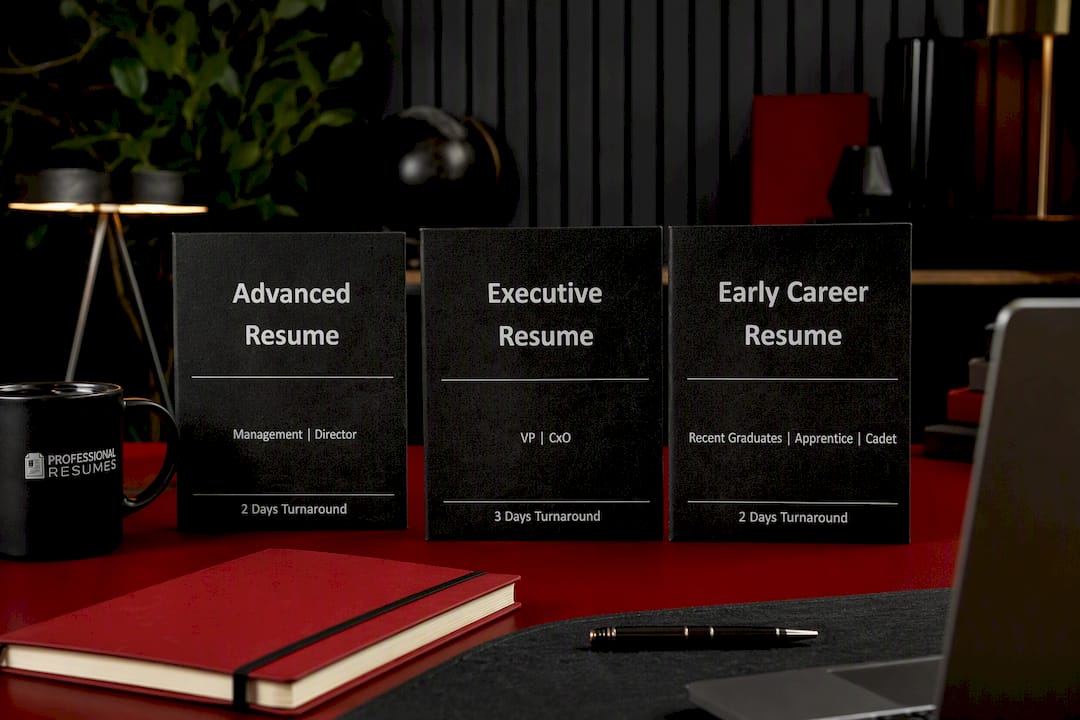
  • Early Career
  • Advanced
  • Executive
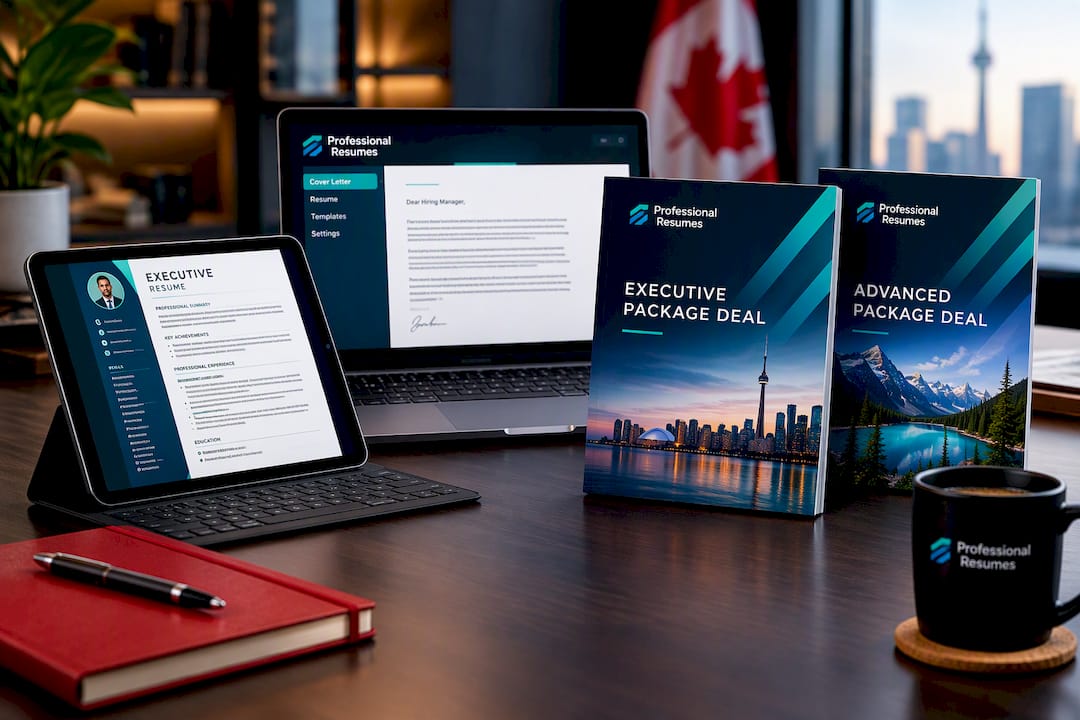
  • Complete Packages with cover letters + LinkedIn optimization

Many candidates who struggled for months started receiving interview calls within weeks after upgrading their finance resumes with us.

If you want a resume that helps you compete in Toronto and Vancouver’s finance job markets, Professional Resumes is the right choice.

  1. Conclusion

Finance employers expect resumes that show accuracy, accountability, and results. A strong resume can open the door to better roles, higher salaries, and long-term growth.

Whether you are an accountant, analyst, payroll specialist, or finance manager, investing time or investing in a professional resume service can make a huge difference.

If you’re aiming to stand out in competitive markets like Toronto or Vancouver, now is the perfect time to upgrade your resume.

Professional Resumes helps finance professionals build strong, ATS-friendly, achievement-driven resumes that get noticed.

How to Create a Strong Resume for Marketing and Advertising Roles

Landing a job in marketing or advertising today requires more than just listing skills and experience. Employers want to see results, creativity, and proof that you understand modern marketing trends. Your resume is the first place to show that. A strong marketing resume must demonstrate your ability to drive growth, create impact, and understand consumer behavior — all before you even get to the interview.

In this blog, we walk you through the essential steps to build a resume that grabs attention, communicates your strengths clearly, and reflects the professional brand you want employers to notice. And if you need expert support, Professional Resumes offers resume writing services that help marketing and advertising professionals stand out in competitive job markets, including Toronto and Vancouver.

  1. Understanding What Marketing & Advertising Employers Look For

Marketing and advertising are dynamic fields. Hiring managers focus on candidates who think creatively, understand digital tools, and can show measurable outcomes. They want people who can bring growth, fresh ideas, and strategic thinking.

Here are some qualities they expect:

  • Ability to plan and execute campaigns
  • Knowledge of digital platforms like Google Ads, Meta Ads, SEO, content marketing, and email automation
  • Strong storytelling and communication skills
  • Analytical skills to interpret data and measure performance
  • Experience improving brand visibility, engagement, or conversions

Your resume must reflect both your creative side and your ability to think analytically. Most importantly, it should show results — not just responsibilities.

  1. Choosing the Best Resume Format

For marketing and advertising roles, the right resume format shapes how well your achievements shine through.

Best Options

  • Reverse-chronological resume – Ideal if you have steady experience.
  • Combination resume – Perfect if you want to highlight both skills and experience equally.
  • Creative layout (only when appropriate) – Use sparingly and only if applying to creative-driven companies.

Most employers use Applicant Tracking Systems (ATS), so avoid overly designed formats that may block proper scanning. Keep your resume clean, structured, and easy to read.

If you’re unsure which format suits your career stage, Professional Resumes can create a polished, ATS-friendly resume that presents your strengths clearly.

  1. Writing a Strong Resume Summary

Your resume summary should immediately show who you are and what you bring to the table. It should feel confident, specific, and tailored to marketing roles.

A strong summary might look like this:

“Marketing professional with 5+ years of experience creating digital campaigns that increase lead generation, brand visibility, and customer engagement. Skilled in content strategy, SEO, social media management, and analytics. Proven track record of delivering measurable results across multiple industries.”

Things to avoid:

  • Generic descriptions
  • Buzzwords without proof
  • Long, overly descriptive sentences

Keep it direct, clear, and focused on results.

  1. Highlighting Key Marketing Skills

Marketing roles require a mix of creative and technical skills. Your resume should show both.

Hard Skills to List

  • SEO and keyword research
  • Google Ads and PPC
  • Meta Ads & social media strategy
  • Content writing and copywriting
  • Email marketing tools (Mailchimp, Klaviyo, HubSpot)
  • Market research
  • Data analytics and reporting

Soft Skills to Include

  • Creativity
  • Problem-solving
  • Communication
  • Team collaboration
  • Strategic thinking

The key is not only to list these skills but also to support them with real examples in your work experience.

  1. Showcasing Work Experience With Results

Marketing and advertising hiring managers care deeply about outcomes. Your resume should highlight what you achieved, not just what you were responsible for.

Instead of saying:

“Managed social media for company pages.”

Write:

“Managed company social media pages and increased monthly engagement by 40%.”

Use numbers wherever possible:

  • Conversion rate improvements
  • Social media engagement growth
  • Leads generated
  • Revenue contributed
  • Ads ROI
  • Website traffic increase

Numbers make your experience credible and impressive.

If writing accomplishments feels confusing, Professional Resumes can help you transform your experience into clear, result-driven statements that hiring managers appreciate.

  1. Education and Certifications That Strengthen Your Resume

While traditional marketing degrees still hold value, certifications matter more than ever — especially for digital roles.

Useful Certifications Include:

  • Google Analytics
  • Google Ads Search
  • Meta Blueprint Certifications
  • HubSpot Content Marketing
  • Email Marketing or CRM certification
  • SEO Courses

Listing these certifications shows that you stay updated with industry tools and trends.

  1. Adding a Portfolio or Work Samples

Marketing and advertising jobs often require proof of your work. Adding a link to a portfolio helps employers understand your style, thought process, and achievements.

Portfolio items may include:

  • Campaign samples
  • Creative ad copies
  • Content pieces
  • Social media calendar
  • Case studies of past marketing results
  • Graphic design or visual ads (if applicable)

If you don’t have a professional portfolio, create a simple one on platforms like:

  • Behance
  • Canva
  • Google Drive
  • Wix or WordPress

A well-organized portfolio can significantly increase your chances of getting hired.

  1. Resume Design Tips for Marketing Professionals

A marketing resume doesn’t need to be overly flashy, but it should reflect creativity and professionalism.

Tips for a clean, effective layout:

  • Stick to modern fonts (Calibri, Inter, Helvetica)
  • Use minimal colors
  • Create clear section headings
  • Maintain consistent spacing
  • Keep the resume to one or two pages

Avoid gimmicks like heavy graphics or unnecessary icons — especially if applying to traditional corporate roles.

At Professional Resumes, we create polished, attention-grabbing designs that stay ATS-friendly and visually appealing.

  1. Tailoring Your Resume to Each Job

Marketing roles vary widely—brand marketing, digital marketing, content strategy, SEO, media buying, and more. Each role requires different strengths.

To tailor effectively:

  • Read the job description carefully
  • Highlight experience relevant to that specific role
  • Adjust keywords to match the posting
  • Mirror the company’s tone and expectations

Tailoring increases your interview chances dramatically because employers filter resumes based on relevance.

  1. Mistakes to Avoid in Marketing Resumes

Even experienced professionals make these common mistakes:

Avoid:

  • Using vague statements
  • Adding skills you cannot prove
  • Writing long paragraphs
  • Overloading the resume with design elements
  • Leaving out measurable results

Marketing is competitive, so the smallest mistake may cost you an interview.

  1. Conclusion

A strong resume for marketing and advertising roles should show creativity, technical skills, and measurable results. Employers want people who can grow their brand, manage campaigns, and deliver outcomes. If you can communicate that clearly and confidently, your resume will stand out.

If you want a professionally written resume that highlights your marketing strengths and improves your chances of getting hired, Professional Resumes offers expert resume writing services tailored for marketing professionals in Toronto and Vancouver. With industry-focused writers and polished formatting, your resume will be ready to impress employers in today’s fast-moving marketing world.

How to Write a Creative Resume for Design and Art Careers

Breaking into design and art careers requires more than raw talent—you need a resume that shows your creativity, personality, and professional value at first glance. Unlike traditional resumes, creative resumes give you more freedom in layout, colors, visuals, and storytelling. But striking the right balance between creativity and clarity is key. If your resume looks amazing but doesn’t communicate your skills clearly, recruiters might skip it.

This guide will walk you through how to craft a creative resume that highlights your artistic strengths while keeping it clean, readable, and professional.

  1. Introduction: Why Creative Resumes Matter in Design and Art Fields

Design and art jobs are competitive. Whether you’re applying for a graphic design role, UI/UX position, illustration work, or a visual arts job, your resume is often the first sample of your creative abilities. Hiring managers evaluate not just what you say, but how you present it.

A creative resume lets you:

  • Showcase your visual style
  • Make a strong first impression
  • Demonstrate your ability to communicate through design
  • Stand out from applicants using traditional formats

However, creativity should never overpower readability. A clean structure, consistent spacing, logical flow, and easy-to-skim sections are still at the heart of a great resume.

  1. Understand What Employers Look For in Creative Roles

Before designing your resume, take time to understand what employers value:

  • Strong portfolio
  • Practical experience
  • Software skills
  • Creative thinking
  • Ability to solve visual problems
  • Collaboration and communication
  • Consistency and attention to detail

Creative industries move fast. Recruiters usually scan resumes in a few seconds. Your resume must show skills and results in a simple, structured way while still reflecting your design style.

  1. Choose a Format That Fits Creative Roles

You have more flexibility than in traditional professions, but the format still needs structure.

Best formats for creative fields:

Modern Visual Format

Ideal for graphic designers, illustrators, and brand designers.
Includes color accents, icons, custom layout, and creative typography.

Hybrid Format

Useful when you want creativity but also need a structured, ATS-friendly resume.
Keeps traditional sections but allows a unique header, color palette, or layout tweaks.

Portfolio-Integrated Resume

Your resume works together with your portfolio through QR codes or links.

  1. Craft a Strong Creative Resume Summary

Your summary should be vivid and written in a personal yet professional tone. Avoid generic lines like “creative thinker” or “detail-oriented.” Instead, write something real.

Example summary:
“Graphic Designer with 4+ years of experience creating brand visuals, packaging, and digital assets. Known for clean layouts, color-driven design, and building concepts that match brand stories. Experienced in Adobe Creative Cloud and cross-team collaboration.”

This section sets the tone for the rest of your resume.

  1. Highlight Skills That Matter in Creative and Art Careers

Creative roles require a mix of technical and artistic abilities.

Technical skills to add:

  • Adobe Photoshop, Illustrator, InDesign
  • Figma or Sketch
  • Procreate
  • Blender or Cinema4D
  • Lightroom
  • UI/UX tools
  • Printing knowledge

Creative strengths to show:

  • Concept development
  • Visual storytelling
  • Typography
  • Branding
  • Layout design
  • Color theory

Instead of listing too many skills, focus on tools you genuinely use well.

  1. Showcase Your Work Experience the Right Way

Even in creative fields, employers want to see measurable results.

Instead of writing:

“Worked on designs for campaigns.”

Write:

“Designed creatives for social media campaigns that increased engagement by 30%.”

Try to include:

  • Project goals
  • Your role
  • Tools used
  • Outcomes

If you’re new to the field, include freelance work, internships, academic projects, or volunteer design work.

  1. Add an Education and Certification Section

Creative roles don’t always require formal education, but it still adds value.

Include:

  • Degree (if applicable)
  • Course projects
  • Online certifications
  • Workshops
  • Software training

Popular certifications include:

  • Adobe Certified Professional
  • UI/UX bootcamps
  • Google UX Design

They build credibility and show your dedication to continuous learning.

  1. Include a Portfolio Section—The Most Important Part

Your portfolio is your strongest selling point. Your resume should guide the employer to it easily.

Add:

  • Portfolio website link
  • Behance profile
  • Dribbble link
  • Instagram (if it’s your art page)
  • A QR code
  • A short note about what they’ll find in your portfolio

Make sure your portfolio:

  • Shows your best work
  • Has clear project explanations
  • Displays different types of work
  • Looks clean and easy to browse

Hiring managers often decide based on the portfolio before reading the resume deeply.

  1. Creative Resume Design and Layout Tips

A creative resume can be visually appealing without becoming overwhelming.

Follow these tips:

  • Use a clean, modern typeface
  • Maintain proper spacing
  • Avoid too many colors—stick to 2–3
  • Use icons sparingly
  • Keep your layout consistent
  • Make sure text is easy to read
  • Save your resume as a high-quality PDF

Creativity should feel natural—your goal is to impress, not confuse.

  1. Tailor Your Resume for Each Job

Many designers make the mistake of using one resume for every job.
But tailoring your resume can dramatically improve your chances.

To tailor your resume:

  • Use keywords from the job posting
  • Highlight relevant projects
  • Showcase the right tools
  • Adjust the layout tone (modern for tech, artistic for creative agencies, clean for corporate roles)

A tailored resume clearly tells the employer why you’re the right fit.

  1. Mistakes to Avoid in Creative Resumes

Even skilled designers sometimes make errors while trying to stand out.

Common mistakes:

Overusing colors
Adding too many design elements
Using unreadable fonts
Not saving in PDF format
Forgetting the portfolio link
Prioritizing aesthetics over information

Your resume must first communicate—then impress visually.

  1. Conclusion: Your Creative Resume Is Your First Portfolio Piece

A creative resume for design and art careers is more than a document—it’s a sample of your capabilities. A well-structured, visually appealing resume can help you stand out in a competitive field and make the right impression from the start.

If you feel your resume isn’t showing your true creative strengths or you want a professionally designed layout created by experts, Professional Resumes can help you craft a polished, custom creative resume that reflects your style and helps you secure more interviews.

Early Career Resume Tips for Fresh Graduates

Starting your career journey can feel exciting and overwhelming at the same time. With little or no formal work experience, many fresh graduates worry about what to put on their resume. The good news is that employers hiring entry-level candidates do not expect long job histories. They want to see your potential, your willingness to learn, and the strengths you bring to the role.

A well-written early career resume allows you to present your skills, education, internships, academic projects, and achievements in a way that makes you stand out—even with limited experience. If crafted smartly, your resume can open the door to interviews and help you step confidently into the professional world.

This guide shares practical, beginner-friendly resume tips for fresh graduates who want to create a clean, strong, and job-ready resume.

  1. Start With a Clear Career Objective or Summary

Since you may not have much experience, a career objective is the best way to start your resume. It shows what type of role you’re looking for and what you aim to contribute.

Your objective should be:

  • Short
  • Honest
  • Focused
  • Relevant to the job

Example:
“Motivated Business Graduate with strong skills in analysis, research, and communication. Looking for an entry-level role where I can apply my academic knowledge and grow in a professional environment.”

Avoid vague lines like “seeking growth-oriented opportunities”—keep it specific.

  1. Highlight Your Education the Right Way

Your education is one of your strongest assets as a fresh graduate. Instead of just writing the degree name and college, add details that reflect your interests and skills.

Include:

  • Degree
  • University name
  • Graduation year
  • GPA (if above average)
  • Relevant coursework
  • Key academic achievements
  • Any specialization

If you completed projects during your studies, mention them briefly—they help show your practical understanding.

  1. Showcase Internships, Part-Time Jobs, and Volunteering

Early professional experience, even if unpaid or part-time, is valuable.

Add:

  • Internships
  • Summer training
  • Freelance work
  • College event roles
  • Volunteer experience
  • Part-time jobs

Describe your responsibilities using simple action verbs like:

  • Assisted
  • Created
  • Supported
  • Researched
  • Organized
  • Analyzed

Focus on what you learned and how you contributed, not just tasks you completed.

  1. Include Academic Projects That Show Your Skills

Academic projects help fill the experience gap. They show employers how you apply your knowledge in real situations.

List:

  • Project title
  • Duration
  • Your role
  • Skills used
  • The outcome

Projects related to your field carry strong weight, especially in IT, engineering, marketing, design, and business management.

  1. Add Certifications and Online Courses

Short-term courses help you stand out and show initiative.

Popular options include:

  • Google Career Certificates
  • Microsoft Excel courses
  • Digital marketing training
  • Programming languages
  • UI/UX fundamentals
  • Data analytics courses

Certifications show employers that you are willing to learn beyond the classroom.

  1. Highlight Technical and Soft Skills

A fresh graduate’s resume should display a mix of both technical and soft skills.

Technical skills:

  • Software knowledge
  • Tools related to your field
  • Basic industry skills
  • Programming abilities (if applicable)

Soft skills:

  • Communication
  • Teamwork
  • Problem-solving
  • Time management
  • Creativity
  • Adaptability

List only the skills you actually possess. Authenticity matters.

  1. Keep the Resume Clean, Simple, and Easy to Read

Your layout says a lot about your professionalism.

Follow these tips:

  • Use a clean font
  • Keep margins consistent
  • Avoid too much color
  • Use bullet points for clarity
  • Keep the resume one page
  • Check for spelling or grammar errors

A simple, well-organized resume always performs better than an overly designed one—especially for fresh graduates.

  1. Tailor Your Resume for Each Job

Sending the same resume for multiple roles is a common mistake. Instead, adjust your resume based on the job description.

Focus on:

  • Skills mentioned in the posting
  • Relevant internships or projects
  • Course subjects that match the job

A tailored resume shows that you’re genuinely interested in the role.

  1. Add a Small Achievements Section

Achievements give employers a quick view of your strengths.

Examples include:

  • Awards
  • Top grades
  • Leadership roles
  • Event participation
  • Competitions
  • Certifications

Even small accomplishments help build confidence and credibility.

  1. Include a Professional Portfolio or LinkedIn Link

If your work can be showcased visually—such as design, writing, coding, marketing, or research—include a portfolio link.

A LinkedIn profile link is also helpful. It shows employers more about your background and helps them easily reach you.

  1. Proofread Carefully Before Sending

Your resume should be error-free. Fresh graduates are often judged on attention to detail since they lack long work histories.

Check for:

  • Spelling mistakes
  • Grammar issues
  • Formatting errors
  • Inconsistent spacing
  • Incorrect dates

A polished final document always leaves a positive impression.

  1. When Should Fresh Graduates Consider a Professional Resume Service?

If you feel unsure about your resume layout, wording, or presentation, a professional resume service can be a strong investment. Experts help you:

  • Present your skills confidently
  • Highlight strengths you may overlook
  • Create a clean and professional layout
  • Tailor your resume for multiple roles
  • Build a document that meets industry standards

A strong resume can improve your chances of getting interviews early in your career.

Conclusion

As a fresh graduate, your resume shouldn’t focus on what you don’t have—it should highlight your potential, your learning mindset, and the strengths that prepare you for a professional environment. With clear structure, honest content, and a confident tone, your resume can help you stand out, even with limited experience.

And if you ever feel stuck or want a professionally crafted early-career resume designed to boost your chances, Professional Resumes can help you build a polished and job-ready document.

The Best Resume Tips for Engineering and Technical Jobs

Engineering and technical roles are some of the most competitive fields today. Whether you’re applying for a software engineering job, mechanical engineering role, IT technician position, or a senior technical leadership role, your resume must show that you have strong problem-solving skills, hands-on experience, and the ability to deliver reliable results.

Unlike general resumes, engineering resumes must be precise, structured, and evidence-based. Employers want to see your technical strengths clearly, understand the impact of your work, and quickly determine if you’re the right fit for their team.

In this blog, you’ll learn the best resume tips for engineering and technical jobs, along with expert insights from Professional Resumes, Canada’s trusted resume writing service for engineering and technical professionals in Toronto and Vancouver.

  1. Understand What Engineering Employers Are Looking For

Hiring managers in engineering and technical industries are detail-oriented. They want resumes that show competence, accuracy, and technical expertise.

Key qualities employers expect:

  • Practical experience with engineering tools, systems, or software
  • Strong analytical and problem-solving skills
  • Ability to work independently and within teams
  • Experience managing projects or contributing to technical solutions
  • Understanding of safety standards, engineering codes, or regulations
  • Hands-on technical accomplishments

Engineering resumes should be factual and avoid unnecessary fluff. Statements must be backed with measurable results or clear evidence.

  1. Start With a Clear and Technical Resume Summary

Your summary tells the hiring manager who you are in 3–4 lines. In technical fields, this section must highlight your specialization and the value you bring.

Example of a strong engineering resume summary:

“Mechanical Engineer with 5 years of experience in product design, testing, and optimization. Skilled in CAD modeling, technical analysis, and improving manufacturing efficiency. Proven ability to deliver reliable solutions in fast-paced engineering environments.”

A well-written summary helps you stand out immediately and sets the tone for the rest of the resume.

  1. Choose the Right Resume Format

Technical professionals often have long lists of skills and projects. Your format should present your information cleanly.

Best format choices for engineering resumes:

  • Reverse chronological format — ideal for most professionals
  • Combination format — best for those with strong skills but fewer years of experience
  • Technical resume layout — includes sections for tools, technologies, and technical projects

Avoid overly designed templates. Engineering recruiters prefer resumes that are clean, simple, and structured.

  1. Showcase Your Technical Skills Clearly

Engineering and technical jobs rely heavily on specific tools, systems, and technologies. Create a separate Technical Skills section.

Examples of skills to include:

Software & Tools

  • AutoCAD / SolidWorks
  • MATLAB
  • Python, C++, Java
  • Ansys / Creo
  • Revit
  • PLC programming
  • SQL / Linux / Networking tools

Engineering/Technical Skills

  • Product design
  • Troubleshooting
  • Circuit design
  • Technical documentation
  • Estimation and cost analysis
  • Project planning
  • Quality control
  • Prototyping
  • Equipment testing

List only skills you have used in practical settings. Recruiters can quickly identify when skills are added just to fill space.

  1. Demonstrate Your Engineering Experience with Real Results

A strong engineering resume focuses on accomplishments, not just duties.

Weak bullet point:

“Responsible for performing technical testing.”

Strong bullet point:

“Conducted structural testing for 30+ components, reducing product failure rates by 18%.”

Another strong example:

“Designed and optimized 3D mechanical models using SolidWorks, improving assembly efficiency by 25%.”

What to highlight:

  • Projects completed
  • Technical contributions
  • Measurable improvements (time, cost, efficiency, performance)
  • Systems or processes you improved
  • Collaborations with engineering teams

When you quantify your achievements, your resume becomes more impactful and convincing.

If this feels difficult, Professional Resumes can rewrite your experience so it reflects your technical value with clarity and accuracy.

  1. Add a Section for Engineering Projects

Projects matter just as much as work experience — sometimes even more.

Include:

  • Academic projects
  • Capstone projects
  • Engineering design competitions
  • Personal technical builds
  • Freelance or open-source contributions

What to mention:

  • Tools and software used
  • Results or outcomes
  • Your exact role
  • Challenges solved

Projects show hands-on capability and problem-solving ability, which engineering employers value highly.

  1. List Engineering Certifications and Credentials

Technical fields rely heavily on certifications. Make them stand out.

Examples include:

  • P.Eng or EIT certification
  • PMP
  • AutoCAD certification
  • Cisco certifications (CCNA, CCNP)
  • AWS / Cloud certifications
  • Safety and inspection certifications
  • ITIL
  • CompTIA A+, Network+, Security+

Include certification name, licensing body, and valid dates.

  1. Focus on Tools, Systems, and Platforms

Engineering recruiters want to know if you’ve worked with the tools they use internally.

Create a separate section called:

Tools & Technologies

Examples:

  • MATLAB, PLC Systems, Linux, Kubernetes
  • Equipment calibration tools
  • HVAC or construction systems
  • Testing and diagnostic tools

This section helps your resume pass ATS scans and makes it easier for recruiters to evaluate your fit.

  1. Tailor Your Resume to the Engineering Job Posting

One resume should not be sent to every job. Each engineering role asks for different skills and experience.

How to tailor effectively:

  • Use keywords from the job description
  • Highlight specific tools or software mentioned
  • Adjust your summary to match the job title
  • Emphasize past experience relevant to the employer

Customizing your resume improves both ATS success and recruiter interest.

Professional Resumes specializes in tailoring engineering resumes for competitive hiring markets in Toronto and Vancouver, where employers expect precise and targeted applications.

  1. Keep the Resume Structure Clean and Professional

A technical resume should always look organized.

Formatting tips:

  • Use clear headings
  • Keep bullet points short
  • Avoid long paragraphs
  • Use consistent spacing
  • Do not use graphics or heavy colours
  • Keep it 1–2 pages max

A clean layout shows professionalism — which matters especially in technical fields where attention to detail is essential.

  1. Avoid Common Mistakes in Engineering Resumes

Many technical candidates unintentionally sabotage their chances.

Avoid these mistakes:

  • Listing every college subject as a skill
  • Adding outdated software or tools
  • Irrelevant experience (retail, hospitality) without context
  • Using generic statements like “team player”
  • Overly complicated formatting
  • Not including measurable achievements

A professional resume writer can help identify weak sections and rewrite your content so it reflects your true technical value.

  1. Conclusion

Engineering and technical jobs require a resume that is clear, factual, and technically strong. When your resume highlights your tools, skills, projects, and measurable achievements, you instantly stand out to hiring managers.

If you want a polished, industry-focused engineering resume, Professional Resumes offers specialized resume writing services for engineering and technical professionals in Toronto and Vancouver. From entry-level engineering resumes to senior technical leadership resumes, our team ensures your application is ready to impress employers and pass ATS systems with confidence.

Healthcare Resume Tips That Help You Get Hired Faster

Healthcare is one of the most fast-paced and competitive fields today. Whether you’re applying for a nursing role, medical assistant position, administrative job, technician role, or any other healthcare opportunity, your resume must immediately show that you’re reliable, skilled, and ready to work in a demanding environment. Employers want people who can provide excellent patient care, follow protocols, and handle pressure and your resume has to reflect all of this right away.

In this blog, you’ll learn practical and easy-to-apply resume tips that help healthcare professionals get hired faster. And if you want a professionally crafted resume that aligns with employer expectations, Professional Resumes provides expert healthcare resume writing services in Toronto and Vancouver, helping job seekers stand out in competitive hiring markets.

  1. Understand What Healthcare Employers Want

Healthcare employers value two things above everything else: skills and dependability. They want to know they can trust you with patient care and that you understand your role thoroughly.

What healthcare recruiters expect to see:

  • Up-to-date certifications (CPR, First Aid, CNA, RPN, RN, etc.)
  • Experience working with patients, families, or clinical teams
  • Ability to follow safety procedures and medical protocols
  • Strong communication and teamwork skills
  • Flexibility and willingness to work rotating or fast-paced environments

Your resume should reflect that you are not only technically skilled but also emotionally strong and dependable.

  1. Start With a Clear and Professional Resume Summary

Healthcare hiring managers go through hundreds of resumes. A strong summary helps you make a strong first impression.

Example of a strong healthcare resume summary:

“Dedicated healthcare professional with 4+ years of experience providing patient care in high-volume clinical settings. Skilled in-patient monitoring, record management, and supporting nurses and physicians. Known for compassion, accuracy, and commitment to high-quality care.”

Keep this section short, specific, and relevant to the healthcare field you’re applying to.

  1. Highlight Relevant Healthcare Skills Clearly

Your skill section should show your ability to work in medical environments. Include both technical skills and soft skills.

Technical (Hard) Skills

  • Patient care
  • Vital signs monitoring
  • Medical documentation
  • Infection control
  • EMR/EHR systems
  • Administering medications (if qualified)
  • Medical terminology
  • Lab support tasks
  • Equipment handling

Soft Skills

  • Compassionate care
  • Communication
  • Active listening
  • Attention to detail
  • Crisis handling
  • Teamwork
  • Time management

List only skills you can confidently prove in your experience.

  1. Show Work Experience That Proves Your Value

In healthcare, experience is everything. But instead of listing duties, show what you achieved and how you made a difference.

Average bullet point (weak):

“Assisted nurses with patient care.”

Strong bullet point:

“Assisted nurses with daily patient care, contributing to improved patient satisfaction and smoother shift operations.”

Another strong example:

“Monitored vital signs for 20+ patients per shift and documented changes accurately in EMR systems.”

Use numbers wherever possible. Quantified achievements stand out much more and help employers understand your capabilities clearly.

If you’re struggling to convert your duties into meaningful accomplishments, Professional Resumes can help you rewrite your experience into strong, job-winning content.

  1. Add Your Certifications in a Separate “Credentials” Section

Healthcare roles often require mandatory certifications. Make them easy to find.

Examples to include:

  • CPR / First Aid
  • Basic Life Support (BLS)
  • Advanced Cardiac Life Support (ACLS)
  • Medication Administration Certification
  • CNA, RPN, RN licenses
  • Mental Health First Aid
  • WHMIS (Canada)
  • Infection Prevention training

Make sure dates are correct and certifications are up-to-date. Recruiters eliminate candidates quickly when required credentials are missing or outdated.

  1. Include Experience from Clinical Placements or Practicums

If you’re new to the field, clinical experience is just as important as paid work.

Include:

  • Where you completed the placement
  • Duration of your practicum
  • Types of patients you worked with
  • Skills you practiced (vital signs, patient charts, equipment handling, etc.)

New graduates often feel they don’t have enough experience, but clinical placements hold strong value so list them confidently.

  1. Keep Your Resume Organized and Easy to Read

Healthcare employers appreciate clarity. A clean layout shows professionalism and attention to detail.

Tips for formatting:

  • Use simple fonts
  • Avoid decorative designs
  • Keep layout clean with clear headings
  • Use bullet points instead of paragraphs
  • Stick to one or two pages
  • Ensure your resume is ATS-friendly

Many healthcare resumes get rejected simply because the formatting is overly designed or difficult to scan.

If you need a clean, professional, and ATS-friendly layout, Professional Resumes specializes in creating polished healthcare resumes optimized for Toronto and Vancouver hiring systems.

  1. Tailor Your Resume to the Exact Healthcare Role

Healthcare job descriptions vary widely, even within the same title. A resume that matches the job posting increases your chances of getting shortlisted.

Ways to tailor your resume:

  • Match keywords from the job posting
  • Highlight only the skills required for that role
  • Emphasize experience relevant to that specific environment
  • Mention patient groups you’ve worked with (children, elderly, emergency, long-term care)

Even small adjustments can significantly improve your resume’s performance.

  1. Add a Short Section for Tools & Systems

Modern healthcare workplaces rely heavily on technology. If you’ve used these tools, mention them:

  • EMR / EHR systems
  • Patient tracking software
  • Medication dispensing tools
  • Scheduling software
  • Reporting systems

This shows you can adapt quickly and handle digital workflows.

  1. Avoid Common Healthcare Resume Mistakes

Many job seekers miss opportunities because of avoidable resume errors.

Avoid:

  • Writing long paragraphs
  • Using generic statements
  • Forgetting certifications
  • Including outdated jobs unrelated to healthcare
  • Adding personal details like full address or photo
  • Using templates with heavy graphics

A clean, focused resume helps recruiters quickly judge that you are the right fit.

  1. Conclusion

Getting hired faster in healthcare starts with a resume that shows your skills, compassion, and commitment to patient care. When your experience, certifications, and strengths are written clearly, you immediately stand out to employers. A strong healthcare resume not only gets you more interview calls but also helps you present yourself confidently during the hiring process.

If you want a polished, professional, and industry-focused resume, Professional Resumes offers expert healthcare resume writing services in Toronto and Vancouver. From nursing resumes to medical assistant resumes, our team creates powerful, job-ready documents that help you move ahead in your career with confidence.