How to Write a Resume That Stands Out in Today’s Job Market

The job market in Canada has become more competitive than ever. With hundreds of applications often competing for the same role, a resume is no longer just a piece of paper—it’s your first chance to make an impression. Whether you’re applying for a finance role in Toronto, a healthcare job in Vancouver, or a creative position in marketing, your resume needs to stand out.

At Professional Resumes, we’ve helped thousands of job seekers across Toronto and Vancouver land interviews by creating resumes that highlight their strengths, tell their story, and get noticed by both hiring managers and Applicant Tracking Systems (ATS). In this blog, we’ll guide you through the most effective resume writing strategies to help you stand out in today’s job market.

Understanding the Current Job Market

Hiring practices have changed a lot in recent years. Most companies now use ATS software to filter resumes before a human even looks at them. This means if your resume isn’t structured properly or doesn’t include the right keywords, it may never reach the hiring manager’s desk.

In Toronto, industries like finance, technology, and healthcare are highly competitive. Vancouver, on the other hand, has strong demand in creative industries, IT, and healthcare roles. Understanding what employers in these cities are looking for can help you write a resume that speaks their language.

Choosing the Right Resume Format

Your resume format can make or break your chances of getting noticed. Here are the three main types:

  • Chronological Resume: Best for professionals with a clear career progression. Popular in finance, law, and healthcare.
  • Functional Resume: Focuses on skills rather than work history. Useful for career changers or those with gaps in employment.
  • Combination Resume: Mixes both skills and work experience. This is often ideal for job seekers in creative or technical industries.

If you’re applying in Toronto or Vancouver, stick with ATS-friendly formats. Avoid using too many graphics, tables, or fancy templates that may confuse the system. At Professional Resumes, we design resumes that are modern, professional, and ATS-compliant.

Crafting a Strong Resume Summary

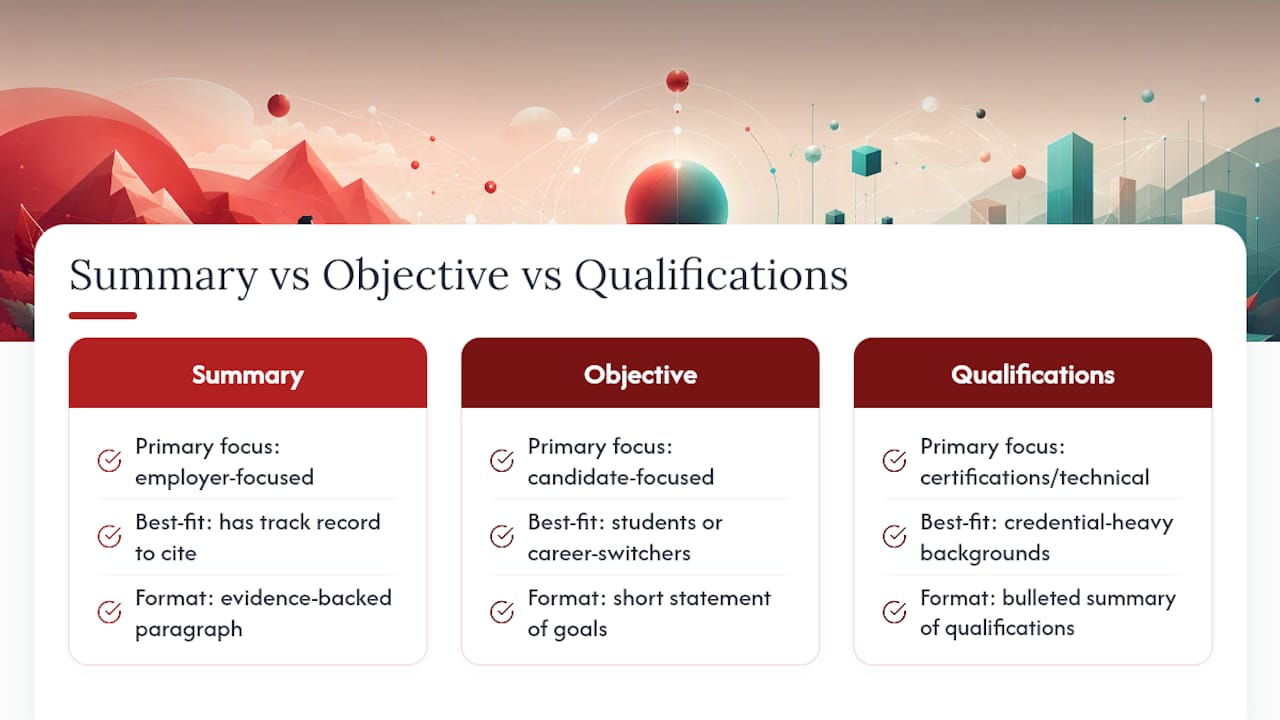
Gone are the days when resumes started with an “objective statement.” Instead, use a resume summary to showcase your strengths.

Example for Finance:
“Analytical finance professional with 5+ years of experience in budgeting, forecasting, and financial analysis. Proven ability to deliver accurate reports and support business growth.”

Example for Healthcare:
“Dedicated registered nurse with 7 years of experience in patient care, clinical support, and emergency response. Recognized for compassion, teamwork, and attention to detail.”

Toronto and Vancouver employers value clear, results-driven summaries. At Professional Resumes, we work with clients to craft summaries that highlight their value within 3–4 impactful sentences.

Highlighting Key Skills Employers Look For

Skills are often the first thing recruiters scan. Focus on both hard and soft skills relevant to your role.

  • Finance & Accounting: Budget management, financial reporting, risk assessment, tax compliance.
  • Healthcare: Patient care, clinical documentation, emergency response, teamwork.
  • IT & Technology: Software development, cybersecurity, cloud computing, troubleshooting.
  • Creative Fields: Content strategy, design tools, campaign management, social media.

Employers in Toronto and Vancouver are looking for specific skills, so tailoring your list to the job description is essential.

Showcasing Work Experience That Tells a Story

Work experience should not be just a list of responsibilities. It should tell a story of achievements and results.

Instead of:

  • “Responsible for managing accounts.”

Write:

  • “Managed accounts for 20+ clients, improving accuracy by 15% and reducing monthly errors by 30%.”

Adding measurable results makes your resume more convincing. At Professional Resumes, we guide clients in turning job duties into accomplishments that show impact.

Education, Certifications, and Additional Credentials

For early-career professionals, education may be your strongest asset. For experienced professionals, certifications can make a big difference.

Examples:

  • Finance roles: CPA, CFA.
  • Healthcare: Registered Nurse license, CPR certification.
  • IT: AWS Certified Solutions Architect, Microsoft Azure certifications.

Toronto and Vancouver employers appreciate professionals who continue learning and upgrading skills. If you have completed relevant online courses, list them under “Professional Development.”

Making Your Resume ATS-Friendly

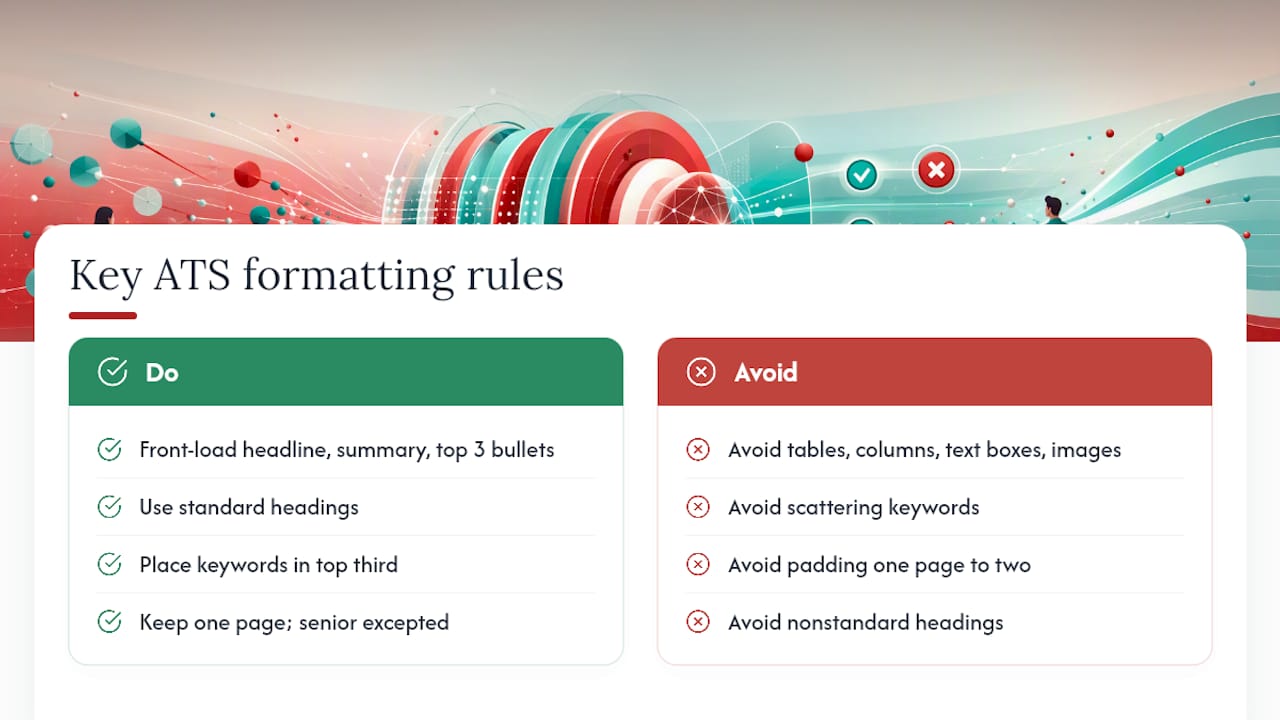
Applicant Tracking Systems scan resumes for keywords that match job postings. Here’s how to stay ATS-friendly:

  • Use standard headings like “Work Experience,” “Education,” and “Skills.”
  • Avoid images, text boxes, or charts.
  • Insert keywords from the job posting naturally.

For example, if a Toronto job ad lists “financial analysis” and “budget forecasting,” make sure those phrases appear in your resume. At Professional Resumes, we ensure every client’s resume is keyword-optimized for ATS without sounding forced.

Adding Modern Resume Sections That Work

To stand out, consider adding sections beyond the basics:

  • Volunteer Work: Especially valuable in healthcare and community roles.
  • Projects: For IT and creative industries, highlighting successful projects can make a difference.
  • Languages: In cities like Toronto and Vancouver, bilingual skills are highly valued.
  • Publications or Speaking Engagements: Useful for academic or executive positions.

Design and Layout Tips for a Professional Look

Your resume should look clean, professional, and easy to scan. Here are a few tips:

  • Stick with simple fonts like Arial, Calibri, or Times New Roman.
  • Use bullet points for readability.
  • Keep margins and spacing consistent.
  • Avoid excessive colors or graphics.

Toronto and Vancouver employers appreciate resumes that are modern but professional. Our team at Professional Resumes creates designs that balance visual appeal with clarity.

Tailoring Your Resume for Each Job Application

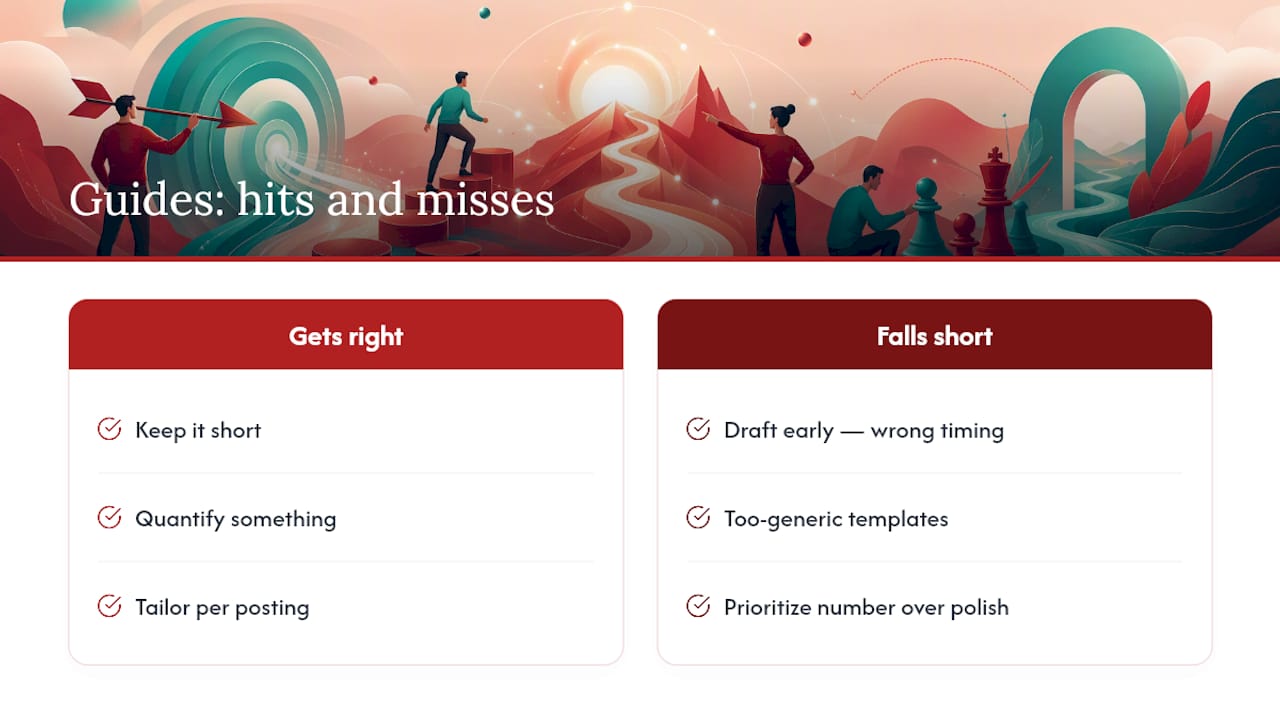
A generic resume won’t cut it in today’s market. You need to tailor your resume for each role.

  • Study the job posting carefully.
  • Match your skills and achievements to the employer’s requirements.
  • Use keywords from the posting in your summary, skills, and work experience.

At Professional Resumes, we specialize in tailoring resumes so they speak directly to employers in industries like finance, healthcare, IT, and marketing.

Common Resume Mistakes to Avoid

Even small mistakes can cost you an interview. Watch out for:

  • Spelling or grammar errors.
  • Using the same resume for every job.
  • Overloading with irrelevant details.
  • Overly complex designs that confuse ATS.

Toronto and Vancouver job seekers often lose opportunities because of these small errors. Professional Resumes ensures your resume is polished and error-free.

Why Work with Professional Resume Writers

Writing your own resume can be challenging, especially when you’re unsure how to highlight your strengths. That’s where Professional Resumes comes in.

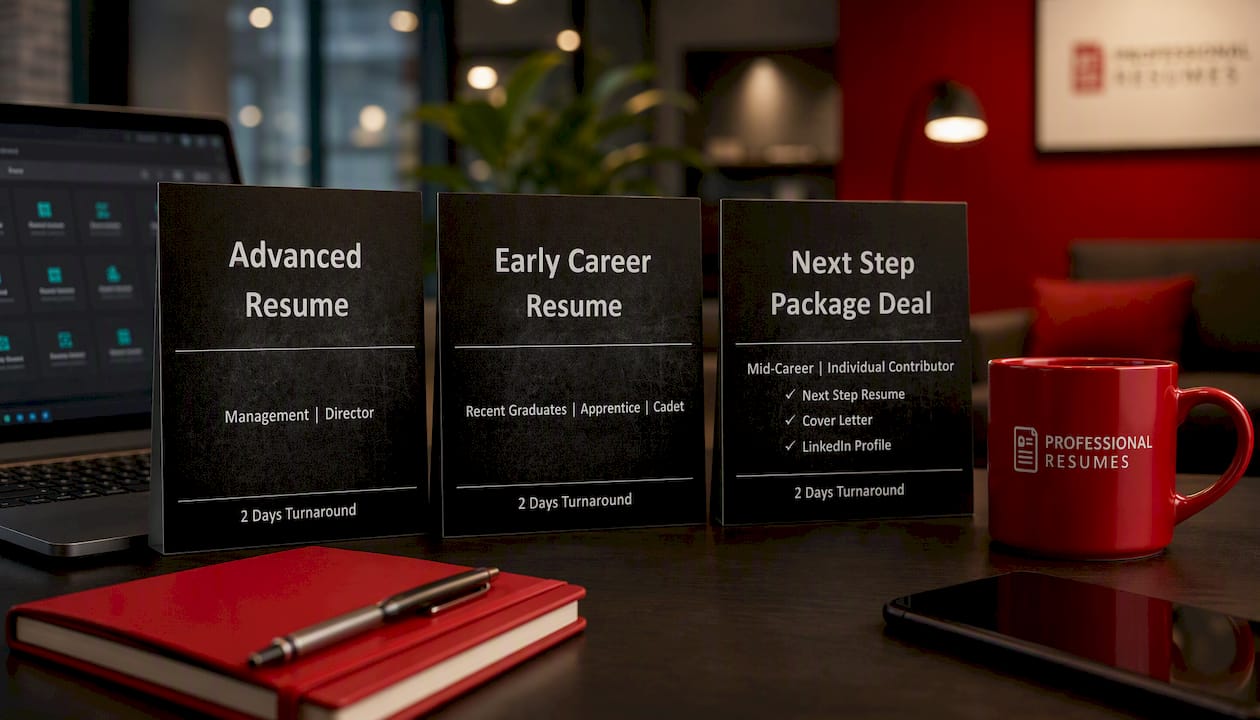
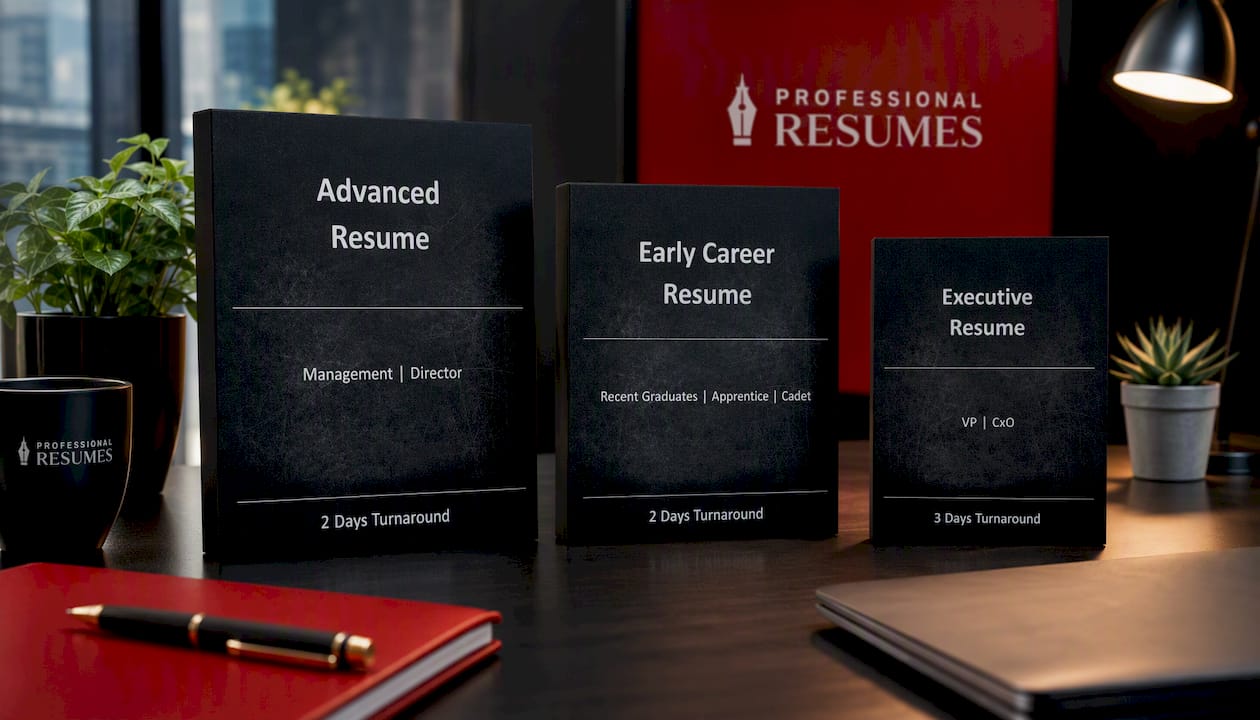
We’ve written over 1,000 resumes for professionals across Toronto and Vancouver, helping clients secure roles in finance, healthcare, IT, and executive leadership. Our services include:

  • Early Career Resumes
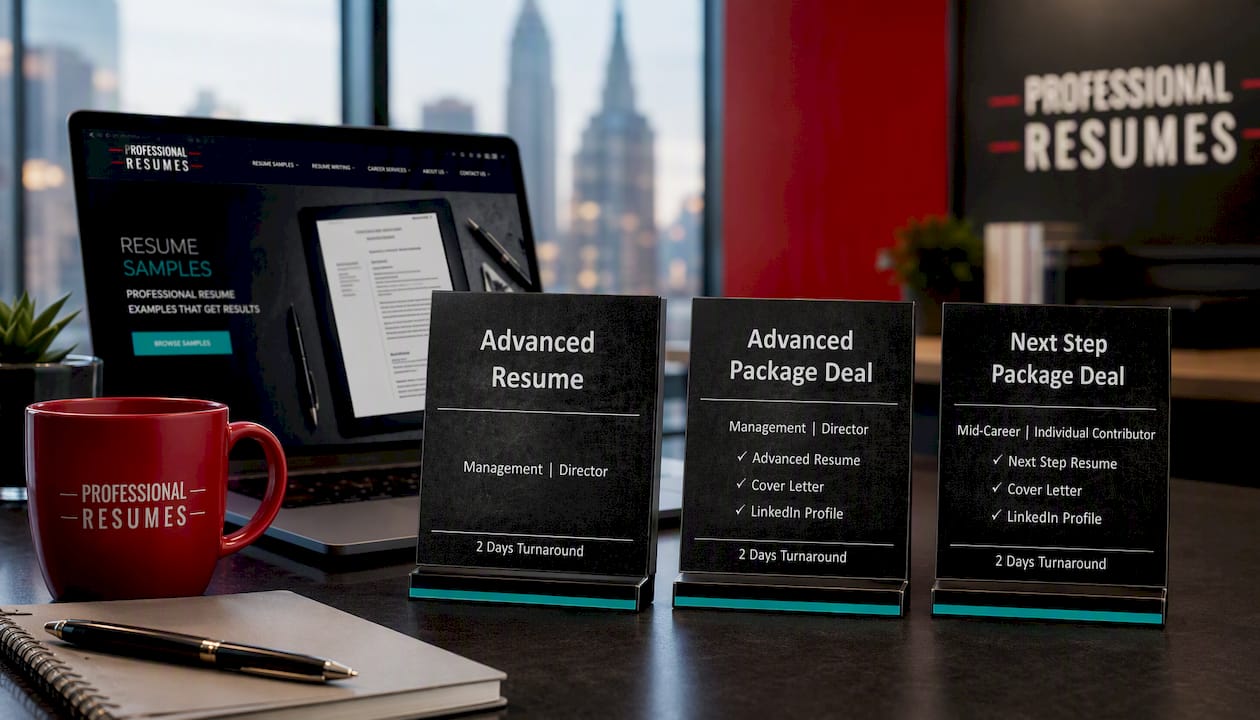
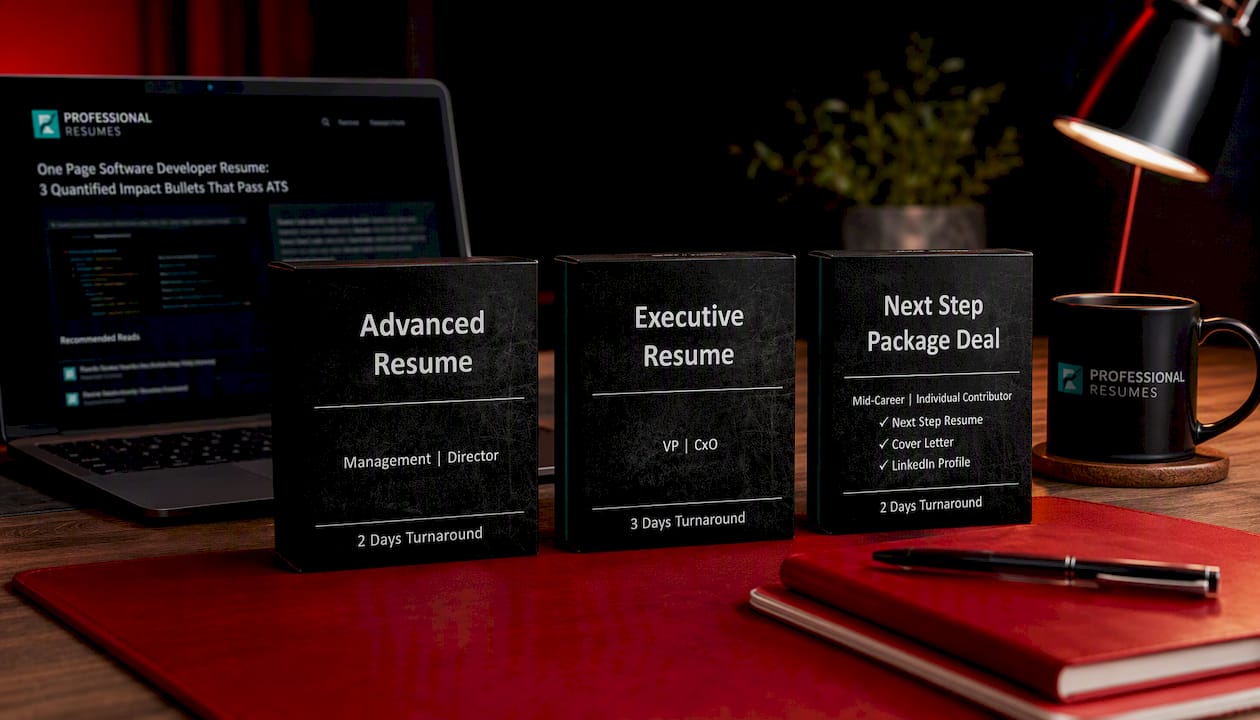
  • Advanced Professional Resumes
  • Executive Resumes
  • Customized Resume Packages

Working with us means you’ll receive a resume that is tailored, professional, ATS-friendly, and aligned with your career goals.

Conclusion

In today’s competitive job market, your resume must be more than just a list of jobs it needs to show your value, your story, and your potential. By choosing the right format, crafting a strong summary, highlighting key skills, and tailoring your resume for each job, you’ll increase your chances of standing out.

If you’re in Toronto or Vancouver and want to make sure your resume gets noticed, Professional Resumes is here to help. Our expert writers create resumes that win interviews and open doors to career opportunities. Don’t let a weak resume hold you back invest in one that helps you move forward.

Why Professional Resume Writing is Worth the Investment

When it comes to landing a job, your resume is often the first introduction you make to an employer. Before you ever shake hands or speak in an interview, your resume represents you. Yet, many job seekers underestimate its importance, either rushing through the writing process or using outdated templates found online.

This can be a costly mistake especially in competitive job markets like Toronto and Vancouver, where hundreds of candidates often apply for a single role. That’s why more professionals are turning to professional resume writing services. While it does require an upfront investment, the return it brings in terms of interviews, job offers, and career growth makes it more than worthwhile.

In this article, we’ll explore why hiring a professional resume writer can be the smartest investment you make for your career.

The Role of a Resume in Today’s Job Market

A resume is no longer just a list of your past jobs. Employers today want to see more than where you worked they want to understand what value you can bring to their company.

Most companies also use Applicant Tracking Systems (ATS) to screen resumes. This means if your resume doesn’t include the right structure or keywords, it may never reach a recruiter’s desk.

For example, finance firms in Toronto may filter resumes for keywords like financial reporting or budget forecasting, while healthcare employers in Vancouver may look for terms such as patient care or clinical documentation.

A professionally written resume ensures your application is both ATS-friendly and appealing to human recruiters, giving you the best chance of moving forward in the hiring process.

Common Mistakes People Make with DIY Resumes

Many job seekers try to save money by writing their resumes themselves. While this seems reasonable, it often leads to mistakes that can cost interviews:

  • Unfocused Content: Instead of highlighting key achievements, DIY resumes often read like generic job descriptions.
  • Formatting Issues: Using templates that confuse ATS systems, causing resumes to get filtered out.
  • Lack of Measurable Results: Employers want proof of impact—numbers, percentages, or results not vague statements.
  • Outdated Language: Terms like “responsible for” or “duties included” no longer impress hiring managers.
  • Too Long or Too Short: Some job seekers write three-page resumes packed with irrelevant details, while others write just a single page with no depth.

In competitive markets like Toronto and Vancouver, these mistakes can be the difference between being shortlisted or ignored.

What Professional Resume Writers Bring to the Table

Professional resume writers are experts in the hiring process. They understand what employers want, how ATS systems work, and how to present your career story effectively. Here’s what they offer:

  • Industry Knowledge: Writers who specialize in different fields (finance, healthcare, IT, creative industries) know how to highlight the right skills.
  • Keyword Optimization: They include the terms hiring managers and ATS software are scanning for.
  • Achievement-Focused Writing: Instead of listing responsibilities, they showcase measurable successes.
  • Tailored Resumes: Each resume is customized to highlight your career goals and strengths.
  • Polished Formatting: Clean, professional, and modern designs that work well both digitally and on paper.

At Professional Resumes, we’ve written over 1,000 resumes for clients in Toronto, Vancouver, and across Canada, giving us insight into what works in various industries.

How Professional Resumes Improve Your Chances in Competitive Markets

Both Toronto and Vancouver are cities with thriving but competitive job markets. Finance and corporate roles are highly sought after in Toronto, while Vancouver is a hub for healthcare, IT, and creative careers.

A professionally written resume helps you:

  • Stand Out: In a sea of applicants, your resume will highlight your unique strengths.
  • Get Past ATS Filters: With the right structure and keywords, your resume won’t get lost in the system.
  • Land More Interviews: Recruiters are more likely to contact candidates with strong, results-oriented resumes.

We’ve seen countless examples where clients came to Professional Resumes after months of silence using DIY resumes. With a professionally crafted resume, they started receiving interview calls within weeks.

Breaking Down the Investment vs. Return

One of the most common concerns about resume writing services is cost. At Professional Resumes, our prices start at $149, with options for 48-hour standard delivery or 24-hour express service.

But here’s why this investment makes sense:

  • Salary Increase: Landing a better role often leads to higher pay, which quickly outweighs the cost of a resume.
  • Faster Hiring: A stronger resume means fewer months spent unemployed or underemployed.
  • Long-Term Benefits: A professional resume can be updated and reused for years as your career grows.

Think of it as career insurance—you’re investing in a document that has the power to open doors and change your financial future.

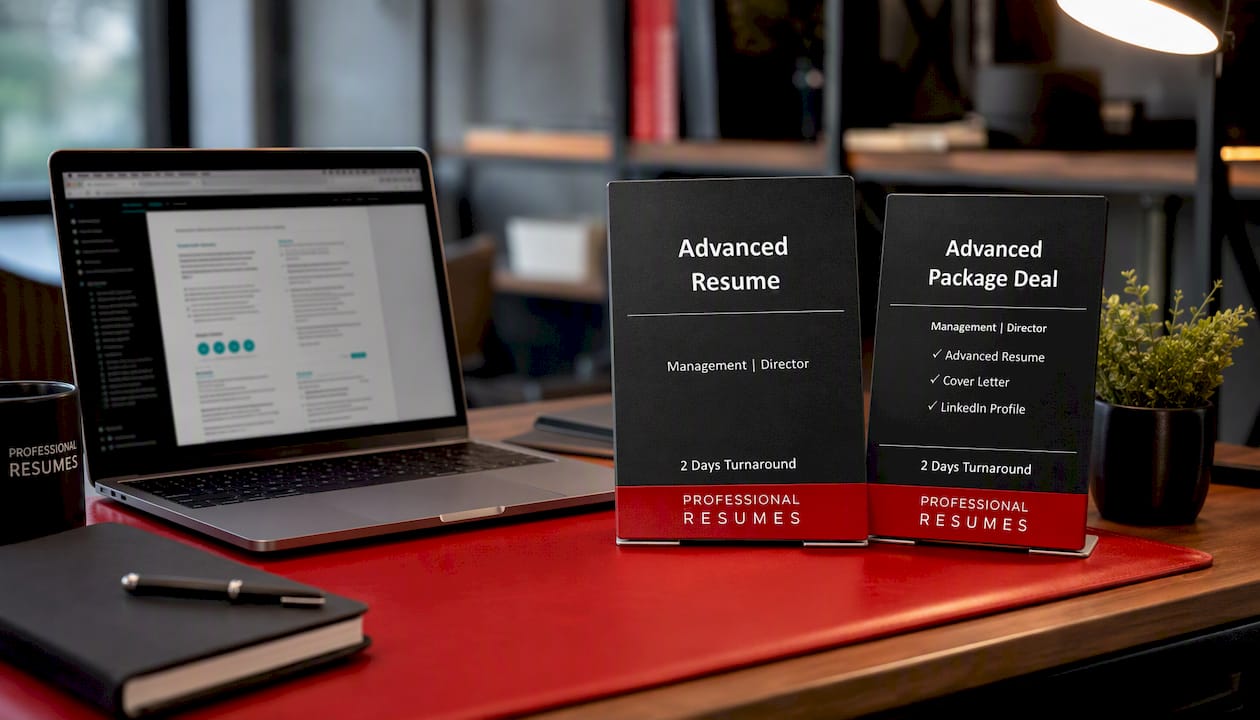
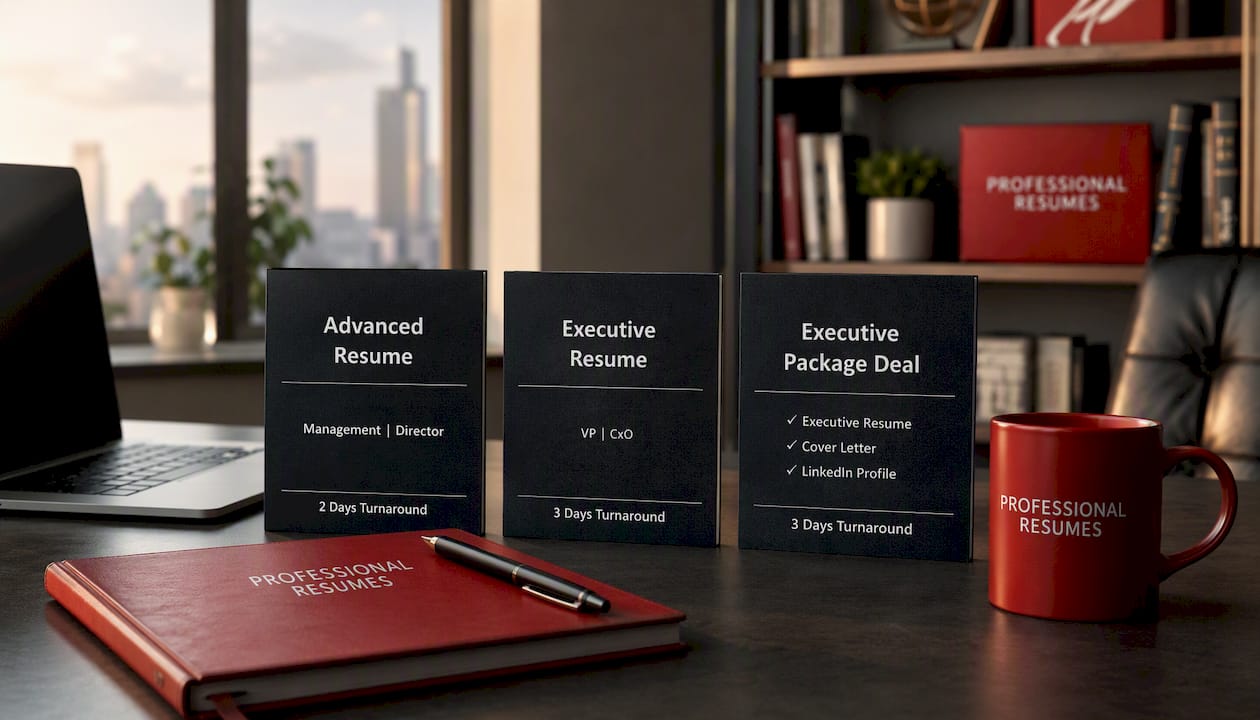
Packages and Services Offered by Professional Resumes

We understand that job seekers are at different stages of their careers, which is why we offer tailored services:

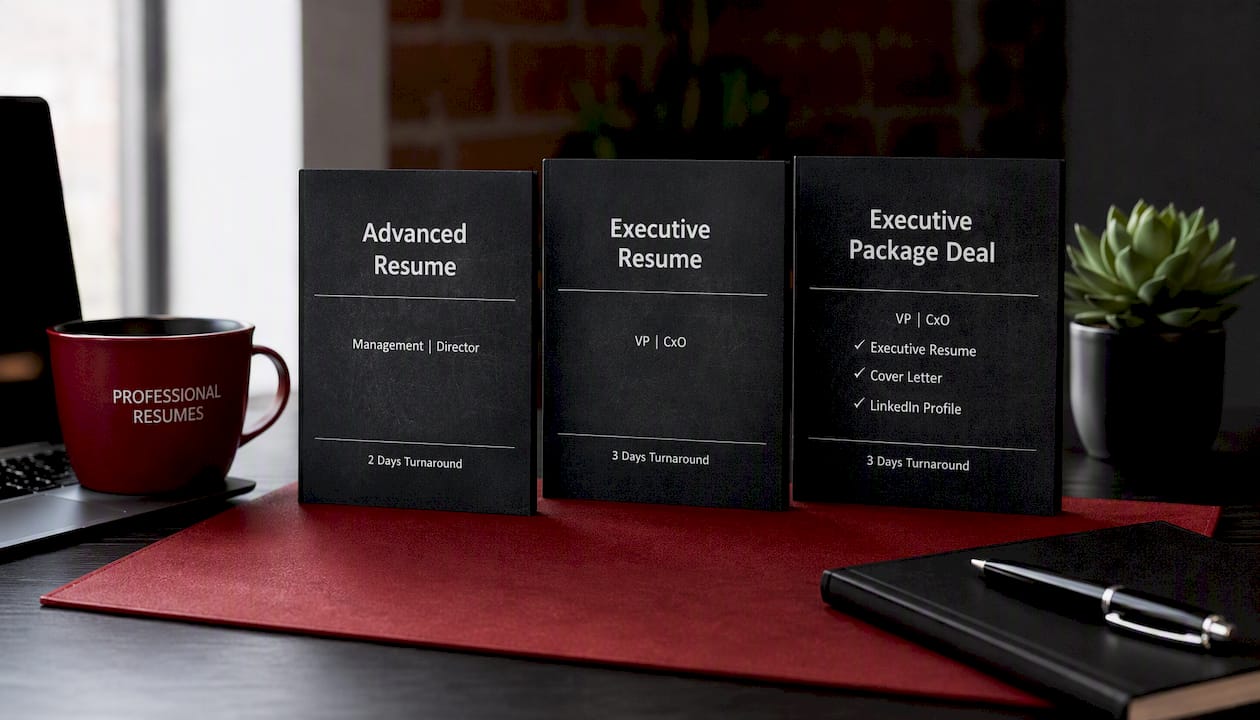
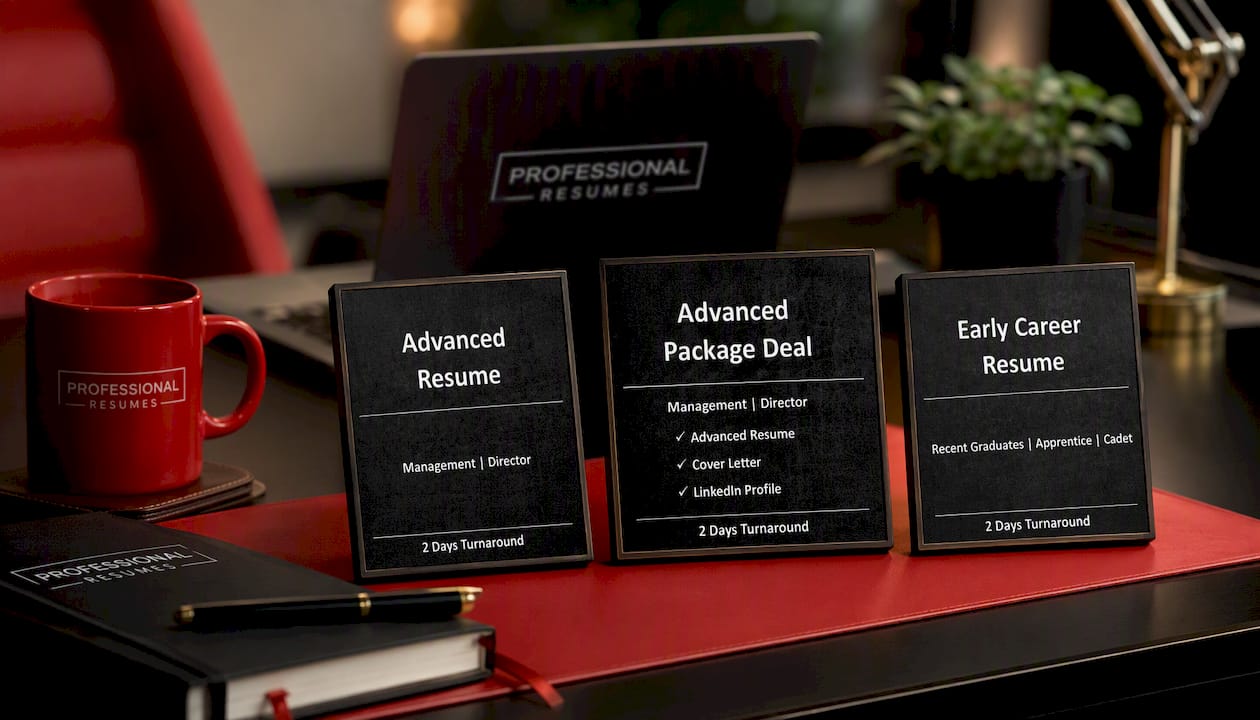
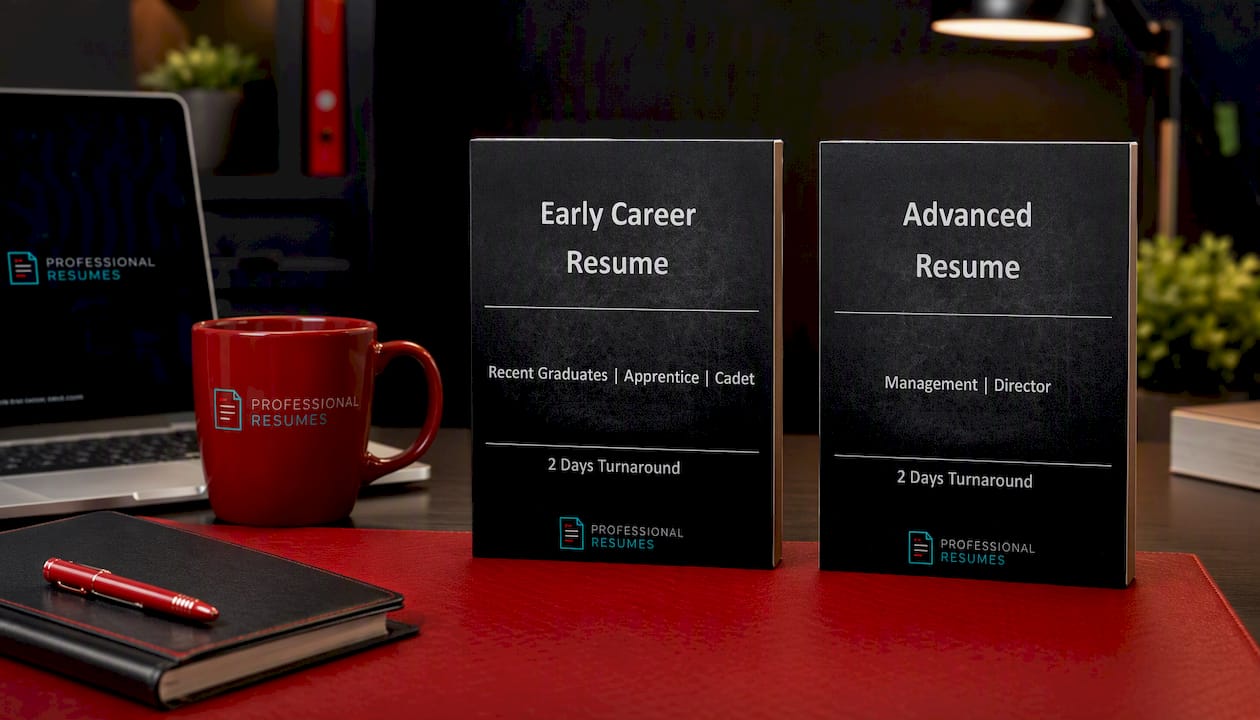
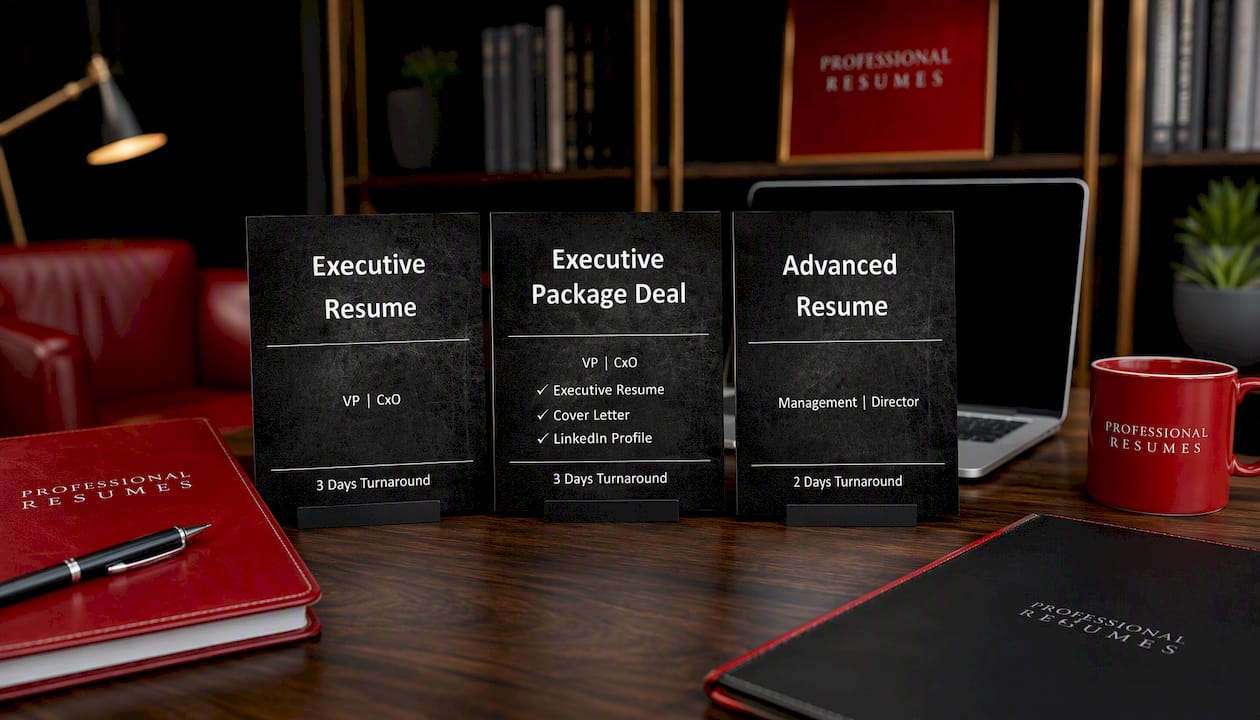
  • Early Career Resumes – Designed for recent graduates or professionals entering the workforce.
  • Advanced Resumes – For mid-level professionals looking to move into more senior roles.
  • Executive Resumes – For leadership candidates targeting management or director positions.
  • Package Deals – Including resumes, cover letters, and LinkedIn profile optimization.

Whether you’re in Toronto starting your first job search or in Vancouver aiming for an executive position, our team creates resumes that match your career stage and goals.

Why Choosing Professional Resumes is the Right Move

There are many resume writing services out there, but here’s why Professional Resumes is trusted in Toronto and Vancouver:

  • Proven Expertise: Over 1,000 resumes written for professionals across multiple industries.
  • Local Knowledge: Insight into the unique needs of Toronto and Vancouver job markets.
  • Affordable Packages: Starting at $149 with flexible delivery options.
  • Tailored Approach: Each resume is crafted to your career goals, not pulled from templates.

By choosing us, you’re not just paying for a resume you’re investing in a tool that helps you get noticed, get interviews, and achieve your career goals.

Conclusion

Your resume is your most important career document. A poorly written one can hold you back, while a professional, well-structured resume can open doors to opportunities you never thought possible.

If you’re job searching in Toronto or Vancouver, now is the time to take the step toward a stronger, more impactful resume. At Professional Resumes, we’re here to help you stand out in a crowded market and land interviews faster.

Don’t think of resume writing as an expense think of it as an investment in your future. The returns, both financial and professional, are worth it.

Remote Jobs in Canada: How to Tailor Your Resume for Online Opportunities

Remote work has transformed the Canadian job market. From Toronto to Vancouver and across provinces, companies are increasingly hiring talent that can work online. The COVID-19 pandemic accelerated this trend, but even today, remote jobs in Canada continue to grow. Employers now look for candidates who not only have the right skills but also the ability to thrive in a virtual work environment.

For job seekers, this shift means one thing: your resume must be tailored for remote jobs. A generic application is no longer enough. Recruiters want to see evidence that you can work independently, communicate effectively online, and use digital tools to collaborate.

In this guide, we’ll cover how to create a remote-job-ready resume, the common mistakes to avoid, and how Professional Resume Writing Services in Canada can give you an advantage.

Why Remote Jobs Are in High Demand in Canada

Before diving into resume strategies, it’s important to understand why remote jobs in Canada are so popular.

  • Flexibility for employers and employees – Remote work reduces commuting time and supports work-life balance.
  • Wider talent pool – Employers in Toronto or Vancouver can hire skilled professionals from smaller towns or other provinces.
  • Growing industries – Sectors like IT, marketing, finance, healthcare administration, and customer service are driving remote job opportunities.
  • Cost savings – Both companies and employees save on overhead and commuting costs.

For job seekers, remote jobs also mean more competition. Hundreds of applicants can apply for a single position. That’s why crafting a resume tailored for remote opportunities is critical.

What Employers Look for in Remote Job Resumes

When Canadian recruiters review resumes for remote jobs, they want to see proof of more than just technical skills. They’re looking for:

  • Self-motivation and discipline – Can you manage tasks without direct supervision?
  • Strong communication skills – Especially in email, video calls, and collaboration platforms.
  • Digital literacy – Familiarity with tools like Zoom, Slack, Microsoft Teams, and project management software.
  • Results-driven achievements – Employers want measurable outcomes, not just responsibilities.

Highlighting these traits on your resume makes you stand out in the competitive Canadian remote job market.

How to Tailor Your Resume for Remote Jobs in Canada

  1. Use the Right Keywords

Most Canadian employers use Applicant Tracking Systems (ATS) to scan resumes. If your resume doesn’t include the right keywords, it may be rejected before a human even sees it.

Example:

  • Job posting says: “Experience with project management software.”
  • Tailored resume says: “Managed cross-team projects using Asana and Trello.”
  1. Highlight Remote Work Experience

If you’ve worked remotely in the past, showcase it clearly. Use job titles like:

  • “Marketing Specialist (Remote – Vancouver, BC)”
  • “Customer Support Representative (Work From Home – Toronto, ON)”

This signals to recruiters that you’re comfortable working outside a traditional office.

  1. Emphasize Communication & Collaboration Skills

Remote teams succeed on communication. Highlight achievements such as:

  • “Led weekly virtual meetings with cross-province teams.”
  • “Collaborated via Slack and Zoom to deliver projects ahead of schedule.”

These details show you have the skills Canadian employers expect for remote work success.

  1. Showcase Technical Skills

List tools and software you’re proficient in. For remote jobs in Canada, employers often look for:

  • Video conferencing: Zoom, Google Meet, Microsoft Teams.
  • Collaboration: Slack, Trello, Asana, Jira.
  • File sharing: Google Drive, Dropbox.
  • CRM and industry-specific tools.

Adding a “Technical Skills” section makes your resume ATS-friendly and recruiter-ready.

  1. Focus on Results, Not Just Tasks

Recruiters in Canada prefer measurable outcomes. Instead of writing:
❌ “Handled customer service calls.”
Write:
✅ “Resolved 95% of customer inquiries on first call, improving satisfaction scores by 20%.”

This makes your remote job resume stronger and results-driven.

  1. Keep It Clean and ATS-Friendly

Many job seekers lose opportunities by submitting resumes with graphics, unusual fonts, or over-styled designs. While visuals might look creative, they confuse ATS software.

For remote job applications in Canada, keep your resume:

  • 1–2 pages long.
  • Easy to scan with clear headings.
  • Free of tables, graphics, or unnecessary formatting.

Common Mistakes to Avoid in Remote Job Resumes

  • Not tailoring your resume – Generic resumes get ignored.
  • Listing responsibilities instead of achievements – Employers want results.
  • Forgetting to mention remote work skills – Show you can work independently.
  • Leaving out tech skills – Employers expect digital fluency for remote roles.
  • Typos and outdated contact details – Small errors signal lack of attention.

Sample Resume Sections for Remote Jobs in Canada

Professional Summary Example
“Results-driven marketing specialist with 5+ years of experience in digital campaigns. Skilled in remote collaboration tools such as Zoom, Slack, and Asana. Proven track record of increasing website traffic by 40% and leading virtual teams across multiple provinces in Canada.”

Skills Section Example

  • Remote team leadership
  • Zoom & Microsoft Teams
  • Project management (Asana, Trello)
  • Customer support & online communication
  • Self-motivation and time management

Why Tailoring Your Resume Matters More in Toronto & Vancouver

Toronto and Vancouver are home to some of the largest employers in Canada. These cities attract applicants from all over the country, which means competition is intense. Recruiters can receive hundreds of resumes for a single remote position.

By tailoring your resume with the right Canadian job market keywords, measurable results, and ATS-friendly formatting, you increase your chances of making it to the interview stage.

How Professional Resume Services Can Help You Succeed

Not sure how to optimize your resume for remote jobs? That’s where Professional Resume Writing Services in Canada come in.

Benefits of working with experts:

  • ATS-Friendly Formatting – Ensures your resume passes screening software.
  • Keyword Optimization – Matches your resume with Canadian job postings.
  • Industry-Specific Expertise – Whether applying for IT, healthcare, or finance, resumes are tailored for your field.
  • Local Market Insights – Our team understands what employers in Toronto, Vancouver, and across Canada are looking for.
  • Confidence Boost – A polished resume helps you apply with confidence, knowing your application is competitive.

At Professional Resumes Canada, we’ve helped thousands of job seekers land interviews by crafting resumes that stand out in the Canadian job market.

Conclusion

The growth of remote jobs in Canada has created exciting opportunities, but it has also increased competition. A generic resume won’t get you far—employers want candidates who show digital skills, communication abilities, and measurable results.

By tailoring your resume for remote roles, you make yourself a stronger candidate for employers in Toronto, Vancouver, and beyond. But you don’t have to do it alone.

Let the experts at Professional Resumes Canada craft a resume that’s ATS-friendly, tailored, and built to impress.

Top Resume Mistakes to Avoid When Applying for Jobs in Toronto & Vancouver

Finding a job in Canada’s busiest cities—Toronto and Vancouver is not easy. These cities attract thousands of applicants for every opening, which makes standing out even more important. Your resume is often the first thing an employer sees, and even small mistakes can cost you an interview. Many job seekers make the same errors, from sending generic resumes to ignoring ATS rules. If you’re applying for jobs in Toronto or Vancouver, avoiding these common resume mistakes can improve your chances of success.

Mistake #1: Using a Generic Resume for Every Application

One of the biggest resume mistakes in Canada is sending the same resume to every employer. Hiring managers in Toronto and Vancouver can quickly spot a generic application. When your resume doesn’t match the job posting, it shows a lack of effort.

Tip: Take time to tailor your resume. Use the job description as a guide and include keywords that reflect the role. Customization shows you are serious about the position and helps you stand out from other applicants.

Mistake #2: Ignoring ATS Requirements

Most companies in Canada now use Applicant Tracking Systems (ATS) to scan resumes before a recruiter sees them. If your resume isn’t formatted properly, it may never reach a hiring manager.

Common ATS mistakes include:

  • Using graphics, tables, or unusual fonts.
  • Not including job-specific keywords.
  • Submitting the wrong file format.

To succeed in Canadian job applications, always keep your resume simple, keyword-rich, and ATS-friendly

Mistake #3: Overloading Resumes with Unnecessary Details

Recruiters don’t have time to read through long resumes filled with irrelevant details. Many job seekers think adding everything will help, but it only makes the resume hard to follow.

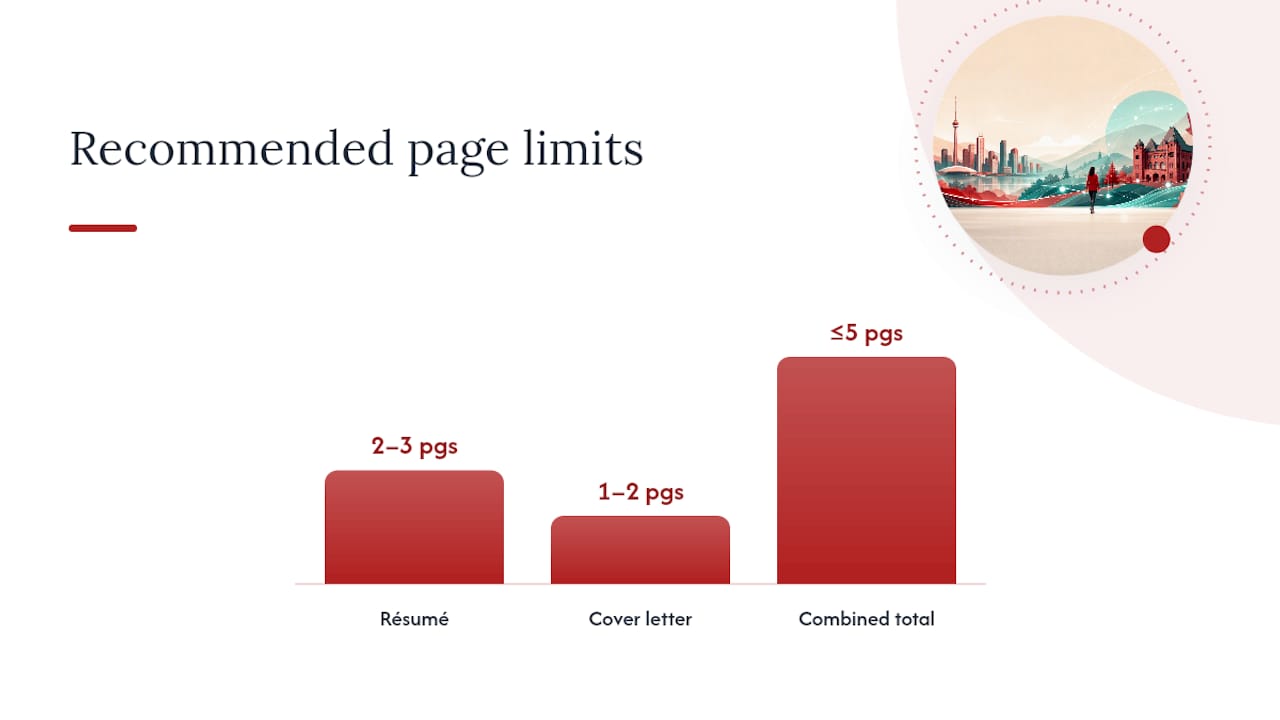
In Canada, the ideal resume length is usually one to two pages. Focus on what matters: your skills, experience, and achievements related to the job. Cutting unnecessary details will make your resume clear and more impactful.

Mistake #4: Poor Formatting & Design Choices

While a creative design might look good to you, it often works against you. Flashy fonts, colors, or graphics don’t pass ATS scans and can make your resume harder to read.

For Toronto and Vancouver employers, a clean, professional format is best. Stick to standard fonts like Arial or Calibri, use clear headings, and maintain consistent spacing. Good formatting makes your resume easy for both ATS software and recruiters to read.

Mistake #5: Not Highlighting Achievements with Metrics

Another common resume error is listing job responsibilities without showing results. Employers in competitive markets want proof of your impact.

For example:
❌ “Responsible for managing a sales team.”
✅ “Increased team sales by 25% within one year.”

Numbers and measurable results add weight to your resume and make your achievements clear. In cities like Toronto and Vancouver, where competition is high, this can make all the difference.

Mistake #6: Forgetting to Update Contact & Online Profiles

It may sound simple, but many job seekers forget to update their contact details or LinkedIn profile. An outdated phone number or mismatched information can make recruiters lose trust.

Before sending out your resume, double-check your phone, email, and LinkedIn. A professional online presence matters just as much as your resume when applying for jobs in Canada.

How Professional Resume Services Can Help in Toronto & Vancouver

Avoiding mistakes is not always easy, especially if you’re not sure what employers are looking for. That’s where professional resume writing services in Toronto and Vancouver can help.

With expert guidance, you get:

  • A tailored, ATS-friendly resume that works for Canadian employers.
  • Clear formatting that passes ATS and appeals to hiring managers.
  • Keyword optimization to match Toronto and Vancouver job postings.
  • Professional insight into what recruiters expect in your industry.

Whether you’re applying for entry-level roles or senior positions, a professionally written resume gives you an edge.

Conclusion

Your resume is your ticket to getting noticed, but common mistakes can keep you from landing interviews. By avoiding generic applications, respecting ATS rules, using proper formatting, and focusing on measurable achievements, you can improve your chances in Toronto and Vancouver’s job markets.

If you’re ready to make a stronger impression, let our experts help. At Professional Resumes Canada, we specialize in creating resumes that Canadian employers notice.

Start your journey today with a resume designed to get results. Get Professional Resume Help in Toronto & Vancouver

Executive Resume vs. Professional Resume: What’s the Difference?

When it comes to landing your dream job, your resume is the first impression you make on an employer. But not all resumes are created equal. Depending on where you are in your career, you may need either a professional resume or an executive resume. Understanding the difference between the two can help you showcase your skills effectively and improve your chances of success in today’s competitive Canadian job market.

What is a Professional Resume?

A professional resume is designed for individuals in the early to mid stages of their careers. It highlights your education, work experience, and skills in a clear, concise format. Professional resumes are typically 1–2 pages and focus on:

  • Relevant job responsibilities.
  • Transferable skills.
  • Career progression.

Who needs it?

  • Entry-level job seekers.
  • Mid-level professionals looking for career growth.
  • Career changers transitioning into a new industry.

What is an Executive Resume?

An executive resume is tailored for senior-level professionals applying for leadership roles, such as directors, VPs, and C-level executives. Unlike a professional resume, it goes beyond job duties and emphasizes leadership achievements and measurable results.

Key features include:

  • Demonstrated leadership and decision-making skills.
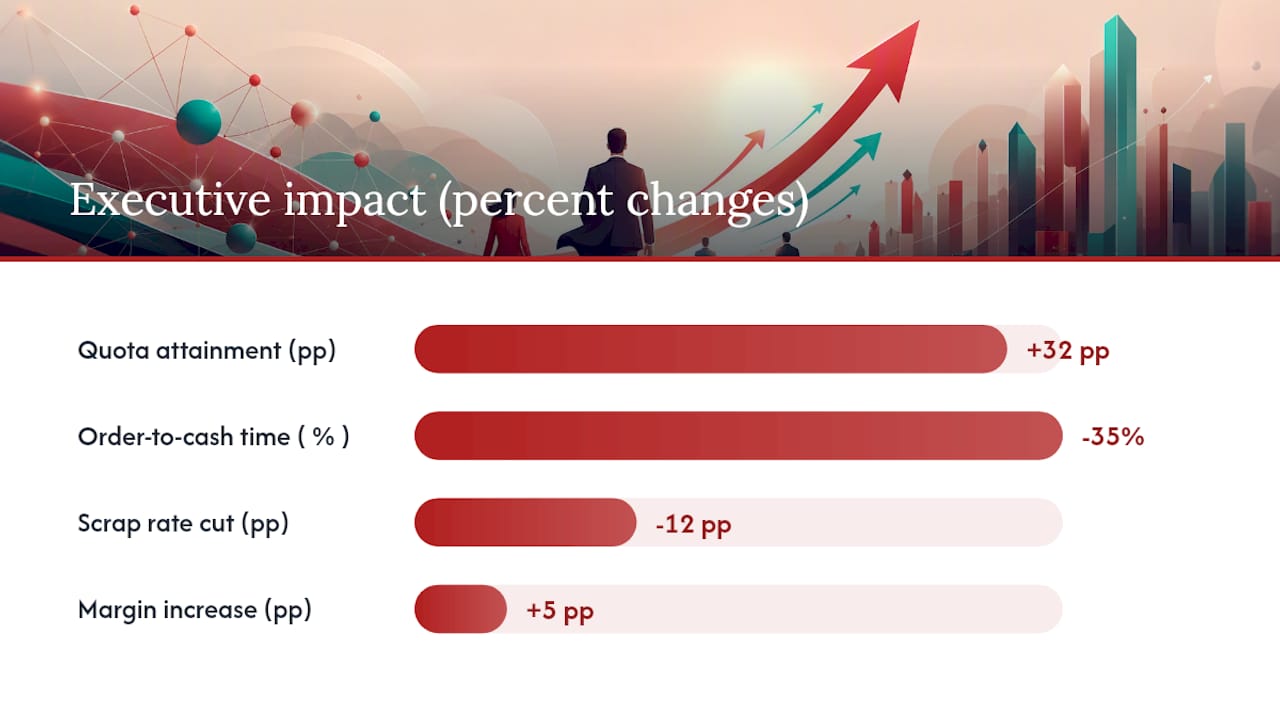
  • Metrics-driven results (e.g., increased revenue by 30%, reduced costs by 15%).
  • Strategic vision and industry expertise.

Who needs it?

  • Senior managers, directors, and executives.
  • Candidates applying for leadership or board-level positions.

When Should You Choose a Professional Resume?

A professional resume is best if you are:

  • Applying for early to mid-level roles.
  • Entering the workforce after graduation.
  • Switching industries and highlighting transferable skills.
  • Building a foundation for long-term career growth.

When Should You Choose an Executive Resume?

An executive resume is the right choice if you are:

  • Seeking senior leadership or executive-level roles.
  • Applying for director, VP, or C-suite positions.
  • Showcasing a proven track record of measurable results.
  • Competing for roles where decision-makers expect a strategic narrative.

Common Mistakes Job Seekers Make

Many job seekers fail to land interviews because they use the wrong type of resume. Common mistakes include:

  • Submitting a professional resume for an executive role.
  • Including too many unnecessary details without measurable results.
  • Ignoring ATS (Applicant Tracking System) optimization.

How Professional Resume Writing Services in Canada Can Help

Writing an effective resume isn’t easy—especially when the stakes are high. That’s where our professional resume writing services in Toronto and Vancouver come in. Our team of experts ensures that your resume:

  • Matches the right format for your career level.
  • Highlights achievements with powerful, industry-relevant keywords.
  • Stands out to both ATS software and hiring managers.

Conclusion & Call-to-Action

Choosing between a professional resume and an executive resume can make the difference between landing an interview or getting overlooked. By tailoring your resume to your career stage, you position yourself as the perfect candidate for the role.

How to Create an Interview-Winning Accounting Resume

If you are an accountant looking to land your next role, your resume is more than just a list of past jobs — it is your ticket to an interview. Employers in today’s competitive job market receive dozens, sometimes hundreds, of resumes for accounting positions. To stand out, you need an accounting resume that shows your technical skills, industry knowledge, and ability to add value to the organization.

Whether you are applying for your first accounting role or moving into a senior leadership position, a professional accounting resume tailored to the job can make the difference between getting overlooked and securing an interview.

This guide will walk you step by step through how to create an interview-winning accounting resume. You will find accounting resume examples, tips on writing each section, and advice from Toronto accounting resume writing and Vancouver resume services experts who help professionals succeed in the job market.

Understanding the Role of an Accounting Resume

An accounting resume is not just a record of your employment history. Instead, it is a marketing tool designed to highlight your skills, certifications, and achievements. Hiring managers want to see more than just your ability to manage ledgers. They look for proven experience in financial reporting, compliance, auditing, budgeting, and accounting software.

The strongest accounting resumes also reflect soft skills such as accuracy, attention to detail, time management, and problem-solving. Your resume should present you as both a technical professional and a reliable decision-maker.

If you are not confident about crafting this on your own, professional resume writing services for accountants are available to help create documents tailored to accounting industry standards.

What Employers Look for in an Accounting Resume

Recruiters reviewing accounting resume examples typically scan for a few key things:

  1. Education & Certifications
    • A bachelor’s degree in accounting, finance, or business administration.
    • Certifications such as CPA (Chartered Professional Accountant), CMA, or CGA.
  2. Technical Skills
    • Proficiency in accounting software like QuickBooks, Sage, SAP, and Oracle.
    • Advanced Excel and financial modeling skills.
  3. Professional Experience
    • A record of financial reporting, tax preparation, auditing, or accounts management.
    • Evidence of measurable contributions, such as reducing costs or improving reporting efficiency.
  4. Compliance & Knowledge
    • Awareness of IFRS, GAAP, and Canadian tax laws.
    • Ability to prepare accurate reports under tight deadlines.

Job seekers in Canada often turn to Toronto accounting resume writing experts or Vancouver resume services because they know these professionals are familiar with local hiring expectations and applicant tracking systems (ATS).

Step-by-Step Guide to Building an Accounting Resume

Step 1: Choose the Right Resume Format

  • Reverse chronological format is ideal for accountants because it highlights steady career growth.
  • Use ATS-friendly resume templates to make sure your resume passes digital screenings.

Step 2: Write a Strong Professional Summary

Your summary is the first thing employers read. Keep it short, specific, and impactful. Example:

“Detail-oriented CPA with 7 years of experience in financial reporting, auditing, and tax preparation. Skilled in managing budgets over $10M, ensuring compliance with Canadian tax laws, and improving reporting accuracy for mid-sized firms.”

By reviewing accounting resume examples, you will notice that successful summaries use measurable results.

Step 3: Highlight Work Experience with Achievements

Instead of listing responsibilities, focus on outcomes. For example:

  • “Prepared year-end financial statements that reduced reporting errors by 30%.”
  • “Implemented a new budgeting process that saved the company $200,000 annually.”

Employers value proven results, which is why professional resume writing services for accountants emphasize achievement-based bullet points.

Step 4: Add Relevant Skills

Create a skills section with both technical and soft skills:

  • Financial reporting
  • Tax preparation
  • Auditing & compliance
  • QuickBooks, SAP, Oracle
  • Budget forecasting
  • Attention to detail

Step 5: Include Education & Certifications

  • Bachelor of Commerce in Accounting – University of Toronto
  • Chartered Professional Accountant (CPA)
  • Advanced Excel Certification

These qualifications immediately strengthen an accounting resume.

Accounting Resume Examples

Early-Career Accounting Resume Example

Ideal for new graduates or those with less than 3 years of experience.

  • Emphasize internships, part-time roles, or volunteer accounting experience.
  • Focus on transferable skills like data entry accuracy, attention to deadlines, and use of accounting software.

Mid-Level Accounting Resume Example

Suitable for professionals with 3–7 years of experience.

  • Showcase experience in auditing, tax preparation, or financial analysis.
  • Provide metrics such as cost savings or efficiency improvements.

Executive Accounting Resume Example

For senior managers, finance directors, or CFO-level applicants.

  • Highlight leadership experience in managing teams and overseeing budgets.
  • Demonstrate expertise in compliance, forecasting, and strategic financial planning.

Many job seekers consult Toronto accounting resume writing experts or Vancouver resume services to tailor these resumes to local job postings.

Local Insights – Why Canadian Employers Care About Resume Style

Canadian employers value resumes that are clear, concise, and formatted for ATS. Unlike some other countries, Canadian resumes usually avoid photos or excessive personal details. Instead, they prioritize results-driven content.

That’s why many professionals use resume services in Toronto or resume writing Vancouver packages to prepare their applications. These services ensure that resumes are both ATS-optimized and aligned with Canadian hiring standards.

If you are in a major city like Toronto or Vancouver, working with professional resume writing services for accountants can significantly increase your chances of getting shortlisted.

Common Mistakes in Accounting Resumes

  1. Too Much Detail
    Listing every task instead of highlighting accomplishments makes your resume less engaging.
  2. Ignoring Keywords
    Applicant Tracking Systems (ATS) scan resumes for terms like “financial reporting” or “CPA.” Without these, your resume may not be seen.
  3. Generic Templates
    Employers can spot generic resumes immediately. Personalization is key.
  4. Not Updating Regularly
    Your resume should reflect your latest role, training, or certification.

Professional guidance from Toronto accounting resume writing experts or Vancouver resume services helps avoid these pitfalls.

Should You Use Professional Resume Writing Services for Accountants?

While it’s possible to create a strong resume yourself, hiring professional resume writing services for accountants can save time and improve results. These services:

  • Customize your resume for specific accounting roles.
  • Format resumes for ATS systems.
  • Emphasize your skills with measurable achievements.
  • Align resumes with local employer expectations in Toronto, Vancouver, and across Canada.

If you’re applying for competitive positions in major financial hubs, investing in Toronto accounting resume writing or Vancouver resume services could be a smart choice.

Conclusion

An accounting resume is more than a job application it is your professional story told in a way that convinces employers to meet you. By following accounting resume examples, focusing on measurable achievements, and using professional resume writing services for accountants, when necessary, you can create a resume that stands out in Toronto, Vancouver, and across Canada.

Remember, the goal is not just to write a resume but to create an interview-winning document that brings you closer to your desired role in accounting.

If you are ready to take the next step, consider exploring Toronto accounting resume writing or Vancouver resume services to maximize your job search success.

Creative Resume Writing Tips for Marketing Professionals

In the world of marketing, your resume isn’t just a list of experiences it’s your personal brand statement. As a marketing professional, employers expect you to showcase not only your skills but also your ability to communicate creatively and strategically. Whether you specialize in digital marketing, content creation, brand management, or SEO, your resume should demonstrate both creativity and measurable results.

If you’re wondering how to create a resume that grabs attention, this guide will share creative resume writing tips for marketing professionals that will help you stand out in a competitive industry.

  1. The Importance of Creativity in Marketing Resumes

Unlike traditional fields where resumes are straightforward, marketing careers demand innovation, presentation, and storytelling. Recruiters look for professionals who can bring fresh ideas and data-driven strategies to the table.

Your resume should:

  • Reflect your marketing mindset
  • Balance creativity with professionalism
  • Showcase your ability to generate results

Think of your resume as a marketing campaign for yourself your first chance to pitch your brand to a potential employer.

  1. Start with a Strong Professional Summary

Your summary sets the tone for the entire resume. A generic introduction like “Experienced marketing professional seeking a job” won’t capture attention. Instead, craft a powerful, results-oriented summary.

Example:
“Creative Digital Marketing Specialist with 7+ years of experience driving brand growth, SEO optimization, and multi-channel campaigns. Proven track record of increasing ROI by 40% through innovative social media strategies and data-driven advertising campaigns.”

This kind of summary immediately communicates skills + achievements + industry relevance.

  1. Showcase Marketing Skills Strategically

Recruiters scan resumes in seconds, so your skills section must clearly reflect your marketing expertise.

  • Hard Skills: SEO, Google Ads, Social Media Advertising, Analytics, Email Marketing, Branding, Content Strategy, Market Research
  • Soft Skills: Creativity, Communication, Leadership, Strategic Thinking, Problem-Solving

Pro Tip: Use industry-specific keywords to pass ATS (Applicant Tracking Systems). For example: “Facebook Ads Manager,” “HubSpot CRM,” or “Conversion Rate Optimization (CRO).”

  1. Highlight Measurable Results

Marketing is all about data and outcomes. Instead of vague phrases like “Managed social media campaigns,” quantify your results.

“Increased website traffic by 55% through targeted SEO campaigns.”
“Boosted email open rates by 30% using personalized A/B testing.”
“Generated $500K in annual revenue through influencer partnerships.”

Numbers show impact and credibility, making your resume more persuasive.

  1. Creative Resume Formats for Marketing Professionals

Since you’re in a creative field, your resume design can reflect your personal brand. But caution is key—don’t overdesign, as ATS may reject overly complex formats.

Options to consider:

  • Modern ATS-friendly templates with clean typography
  • Infographic-style resumes to showcase campaigns visually (best for portfolio submissions)
  • Minimalist creative layouts for a polished look

If applying online, always keep a text-based version handy to ensure ATS compatibility.

  1. Tailor Resume for Different Marketing Roles

Marketing is diverse, and different roles demand different strengths. Customize your resume for each application.

  • Digital Marketing Resume → Emphasize SEO, SEM, PPC, Analytics
  • Content Marketing Resume → Showcase copywriting, content strategy, blogging metrics
  • Social Media Marketing Resume → Highlight follower growth, engagement rates, paid ad success
  • Brand Management Resume → Demonstrate campaign launches, brand positioning, and ROI-driven results

Customizing your resume ensures you connect directly with the employer’s needs.

  1. Use Marketing Keywords Wisely

Just like SEO helps websites rank higher, resume keywords help you rank in ATS filters.

Some strong marketing resume keywords include:

  • “Content Strategy”
  • “Lead Generation”
  • “Campaign Management”
  • “Brand Development”
  • “Google Analytics”
  • “Conversion Optimization”
  • “Influencer Marketing”

Including these ensures your resume is both human-friendly and ATS-friendly.

  1. Common Mistakes to Avoid in Marketing Resumes

Even the most talented marketers make mistakes that hold them back. Avoid these pitfalls:

Overloading resumes with design elements that confuse ATS
Using vague buzzwords like “hard-working” or “team player” without proof
Failing to showcase metrics and measurable results
Sending the same generic resume for every role

Instead, focus on clarity, customization, and measurable achievements.

Conclusion

A creative resume for marketing professionals should combine storytelling, design, and data to showcase your value. By writing a strong summary, highlighting measurable results, and tailoring your resume for each role, you can capture attention and land interviews faster.

Whether you’re aiming for a digital marketing job in Toronto, a brand manager role in Vancouver, or a global social media position, these tips will help you present yourself as the top candidate.

If you need expert assistance, consider working with a professional resume writing service in Toronto and Vancouver. A specialized writer can help you design a resume that balances creativity, keyword optimization, and professionalism giving you a competitive edge in today’s job market.

How to Write a Modern Resume for Creative and Design Jobs

In the competitive world of creative and design careers, your resume is more than just a document it’s a reflection of your imagination, style, and ability to communicate ideas visually and professionally. Employers in fields such as graphic design, UI/UX, fashion, interior design, and advertising often receive dozens of resumes for a single role. To stand out, you need a modern resume for creative jobs that not only shares your skills and experiences but also demonstrates your creative approach. This blog will walk you through creative resume writing tips that help you balance originality with professionalism. Whether you’re a fresh graduate or an experienced designer, the strategies outlined here will guide you to create a resume that captures attention and wins interviews.

Understanding the Creative and Design Job Market

The creative and design job market is dynamic, with employers seeking professionals who bring both artistic vision and practical problem-solving abilities. Unlike traditional industries where a standard resume format is acceptable, design employers expect something that reflects individuality. A resume for designers is not just about listing job titles—it should highlight your unique creative process, achievements, and impact in previous roles.

Employers in cities like Toronto and Vancouver, where creative industries thrive, are especially keen on professionals who can showcase adaptability to fast-evolving trends. This means your creative resume writing must strike a balance between style and substance. Adding clear examples of how your designs boosted user engagement, sales, or branding helps demonstrate your value. A modern resume for creative professionals should therefore be tailored to the industry’s needs: visually engaging but easy to read, concise yet impactful, and always customized to the specific role you’re applying for.

Choosing the Right Resume Format

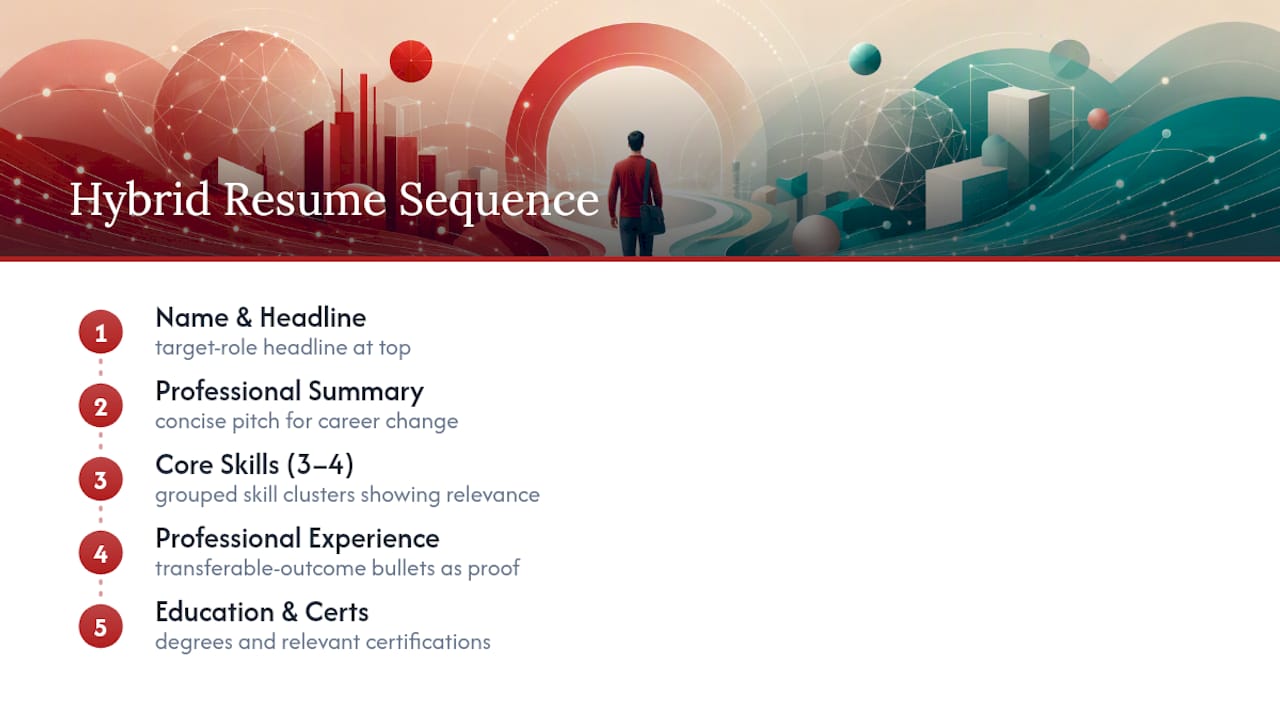
Selecting the right resume format for creative professionals is one of the most important steps. The format sets the tone and dictates how hiring managers will interpret your skills and experience. For creative roles, you have options beyond the traditional chronological resume. Many professionals prefer a hybrid format that combines elements of chronological and functional resumes.

For example, if you’re a graphic designer, showcasing skills like Adobe Creative Suite, typography, and digital illustration at the top give’s immediate context. Then, a chronological listing of roles follows. A functional approach works best for freelancers who may have project-based experience instead of long-term employment. Keep in mind that some companies still use Applicant Tracking Systems (ATS), so while your resume can be modern and visually appealing, it should remain ATS-friendly with proper headings, bullet points, and keywords. The best creative resumes combine modern resume design tips with a clear and scannable structure.

Writing an Impactful Resume Summary

Your resume summary is the first impression recruiters get about you. For creative professionals, this section should be short, sharp, and filled with value. Instead of a generic statement, focus on your unique strengths and the creative impact you’ve made in past roles.

For instance, instead of writing, “Creative professional with experience in design,” write:
“Creative Graphic Designer with 5+ years of experience developing branding campaigns that increased client engagement by 35%.”

This immediately highlights your skills and achievements. Keywords like creative resume summary, resume for designers, resume for creative jobs should appear naturally here to make the section SEO-friendly and recruiter-friendly. A powerful summary shows that you’re not only a creative thinker but also someone who can produce measurable results—a critical balance for employers in design-driven industries.

Highlighting Creative Skills and Competencies

When applying for design and creative jobs, employers want to know what tools, techniques, and soft skills you bring to the table. Your resume for creative professionals should include a dedicated skills section highlighting both technical and interpersonal abilities.

For technical skills, mention specific software such as Photoshop, Illustrator, Figma, InDesign, or CAD depending on your field. For soft skills, focus on attributes such as problem-solving, collaboration, storytelling, and creativity. Tailor this list according to the job description.

For example, a UI/UX designer might list wireframing, prototyping, and user research, while a graphic designer could focus on brand identity, visual communication, and print design. Remember that keyword optimization is crucial. Use exact phrases like creative skills for resumes or design skills resume section to make sure your document resonates with both recruiters and ATS systems.

Showcasing Work Experience Effectively

Your work experience section is where employers see how you’ve applied your skills in real-world situations. Instead of simply listing job duties, highlight specific achievements and projects. For example, rather than writing: “Worked on client logos,” write: “Developed logo concepts for 20+ clients, 85% of which were adopted as final branding.”

This transforms tasks into measurable accomplishments. Use action verbs like designed, created, developed, implemented, or directed. For freelancers, mention notable clients and projects. If you’ve collaborated across departments, such as working with marketing teams or developers, highlight that too—it shows versatility.

When structuring this section, stick to reverse chronological order, starting with the most recent role. Keep it concise but impactful. Employers scanning resumes for creative jobs want clear proof that your creativity translates into real results.

Education and Certifications That Add Value

For creative professionals, education is important, but certifications can often set you apart. A degree in graphic design, fine arts, digital media, or marketing provides a solid foundation, but additional certifications—such as UX design, Google UX, Adobe certifications, or motion graphics—make your modern resume for creative jobs more compelling.

Employers appreciate continuous learners, especially in fields that evolve as quickly as design. For fresh graduates, academic projects, exhibitions, or competitions can also be mentioned here. Those in Toronto and Vancouver, where creative industries are competitive, should consider highlighting workshops or short-term certifications that align with local employer demands. This section reassures recruiters that you have both formal training and a commitment to staying updated in your craft.

Adding a Portfolio Section

One of the most important features of a resume for designers is a portfolio section. Unlike other professions where words are enough, creative industries demand proof of work. Include a link to your digital portfolio, whether it’s hosted on Behance, Dribbble, or your personal website.

Make sure the portfolio is well-organized and tailored to the role. For instance, if you’re applying for a UI/UX role, showcase wireframes, prototypes, and case studies instead of general illustrations. Keep the portfolio updated and professional.

Adding a portfolio link shows recruiters your actual capabilities and gives them confidence in your creativity. It also saves them the time of requesting additional samples later. A modern resume with a portfolio section immediately stands out in the pile of applications.

Creative Resume Design and Layout Tips

Since design jobs emphasize aesthetics, the design of your resume itself can serve as an example of your skills. However, there’s a fine balance. Too much creativity can harm readability. Choose a clean, professional layout with modern typography and subtle use of color.

Use whitespace strategically to make the document easy to scan. Highlight key sections with bold headings. Infographics, icons, or charts can be used sparingly to show skills or achievements but should not overpower the content. Remember, the main goal is readability. Employers spend only 6–8 seconds on an initial scan, so your layout should guide their eyes through your strengths.

Always save your resume in PDF format to maintain formatting consistency. For ATS submissions, have a simplified version without complex graphics. This two-resume approach (one designed, one plain) ensures you impress both machines and humans.

Tailoring Your Resume for Each Job

One of the biggest mistakes candidates make is sending the same resume to every job posting. Creative employers expect personalization. Go through the job description carefully and identify keywords such as branding, typography, UX design, product photography, etc. Then, weave these exact terms into your creative resume writing.

For example, if a role emphasizes social media campaigns, highlight your experience in designing digital assets for Instagram, Facebook, or TikTok. If the focus is product packaging, bring those projects forward. Tailoring shows that you’ve taken the time to align your skills with the employer’s needs, which significantly increases your chances of landing interviews.

Mistakes to Avoid in Creative Resumes

Even the most talented professionals lose opportunities due to small resume mistakes. Some common errors in creative resumes include:

  • Overloading the resume with too many visuals, making it hard to read.
  • Forgetting to include measurable achievements.
  • Using generic statements instead of specific examples.
  • Ignoring ATS requirements with overly complex formatting.
  • Not proofreading for grammar or spelling errors.

Another mistake is sending a resume without a portfolio link, which often leads to immediate rejection in design fields. To avoid these pitfalls, keep your resume professional, tailored, and error-free. Ask a colleague or mentor to review it before sending it out.

Conclusion

A modern resume for creative and design jobs is more than a list of experiences—it’s a personal branding tool. It should present your skills, creativity, and professional accomplishments in a way that appeals to both recruiters and hiring managers. By choosing the right format, writing an impactful summary, showcasing your portfolio, and tailoring your application for each job, you can create an interview-winning resume.

Remember, the best creative resumes are those that balance innovation with clarity. Treat your resume as your first design project for the company it’s the sample of your work they will see before anything else.

Executive Resume Writing Tips to Land Leadership Positions

Landing a leadership position requires more than just experience. Employers are looking for executives who can inspire teams, deliver measurable results, and drive business growth. Your resume is the first impression, and in today’s competitive market, it must reflect not only your achievements but also your leadership vision. Unlike standard resumes, an executive resume needs to highlight your strategic thinking, decision-making skills, and ability to lead organizations through challenges. Whether you are targeting roles like CEO, CFO, COO, or Director, your resume should position you as the right choice for high-level responsibilities.

This guide provides practical executive resume writing tips that will help you create a compelling document tailored to leadership roles. From choosing the right format to showcasing measurable achievements, you will learn how to craft a resume that gets noticed by recruiters and board members.

Understanding the Executive Job Market

Before writing your executive resume, it’s essential to understand how the executive job market works. Unlike entry-level or mid-level jobs, leadership roles often involve more competition and fewer openings. Many of these positions are filled through executive search firms, referrals, or headhunters. This means your resume should be written to impress not only hiring managers but also professional recruiters who specialize in leadership placements.

In the executive market, companies are not only looking for someone who can do the job—they want a leader who can shape the future of the organization. Decision-makers will want to see a track record of delivering results such as revenue growth, cost savings, business expansion, or successful transformations. Highlighting these measurable results in your resume is critical.

Additionally, executives are expected to be industry experts. Whether you’re in finance, healthcare, technology, or retail, your resume should reflect thought leadership, innovative strategies, and a deep understanding of market trends.

Choosing the Right Resume Format

The right resume format can make a huge difference for executives. A chronological format is usually the most effective, as it shows steady career growth and demonstrates your path to leadership. For example, if you’ve progressed from a manager to a director and then to a VP role, a chronological format highlights that trajectory clearly.

However, it’s not just about structure—it’s about strategy. Your resume should start with a strong executive summary, followed by core competencies, and then a detailed work history. Instead of listing every responsibility, focus on achievements and impact. A well-formatted executive resume uses clear headings, bullet points, and white space to make it easy to read.

Length is another factor. Unlike entry-level resumes, which should stay on one page, an executive resume can extend to two pages if needed. This allows space to include your leadership accomplishments, major projects, and relevant board or committee memberships.

Writing an Impactful Executive Summary

The executive summary is the most important part of your resume. Think of it as your elevator pitch on paper. In just a few short paragraphs, you should capture who you are as a leader, what you’ve accomplished, and what value you bring to an organization.

Instead of generic statements, make it specific. For example:
“Transformational business leader with 15+ years of experience driving organizational growth, building high-performing teams, and leading multimillion-dollar projects in the technology sector.”

This summary should align with the leadership role you are targeting. Use strong action words and highlight results such as revenue growth, operational efficiency, market expansion, or successful business turnarounds.

Recruiters often scan resumes quickly, so a well-written executive summary increases your chances of standing out immediately.

Highlighting Leadership Skills and Competencies

Executives are expected to demonstrate a wide range of leadership competencies. This section should showcase both hard skills and soft skills that are essential for leadership roles. Examples include:

  • Strategic Planning
  • Financial Management
  • Business Development
  • Change Management
  • Team Leadership
  • Risk Management
  • Stakeholder Relations
  • Global Market Expansion

Use keywords relevant to leadership roles in your industry. But avoid just listing them—tie these competencies to real results in your career. For example, instead of simply writing “Strategic Planning,” you could say “Developed a five-year strategic plan that increased company revenue by 40%.”

This approach shows not only that you have the skill but also that you’ve used it successfully in real-world scenarios.

Showcasing Executive Work Experience Effectively

Your work experience section is where you prove your leadership credentials. Instead of describing daily duties, focus on outcomes and achievements. Recruiters and hiring managers want to see how you have made an impact.

Use the CAR method (Challenge, Action, Result) when writing bullet points:

  • Challenge: What was the problem or situation?
  • Action: What did you do to address it?
  • Result: What measurable impact did it create?

For example:

  • “Led a company-wide digital transformation initiative that improved efficiency by 25% and reduced annual costs by $10 million.”
  • “Directed international expansion into three new markets, resulting in $50 million in additional annual revenue.”

Numbers and metrics give credibility to your accomplishments. Whenever possible, include percentages, dollar amounts, or other quantifiable results.

Education and Certifications That Add Value

At the executive level, your experience usually carries more weight than education, but academic qualifications still matter. A degree in business, finance, or a specialized field can strengthen your credibility.

In addition, professional certifications can give you an edge. Examples include:

  • MBA (Master of Business Administration)
  • CPA (Certified Public Accountant) for finance executives
  • PMP (Project Management Professional)
  • Six Sigma Certification for process improvement
  • Executive Leadership Programs

If you have attended prestigious leadership development programs or seminars, be sure to list them. This shows a commitment to continuous learning and professional growth.

Adding Board Memberships and Affiliations

For executives, involvement outside of regular work can be just as important as career achievements. If you serve on boards, advisory committees, or industry associations, include them in your resume. These memberships highlight your leadership influence and industry presence.

For example:

  • “Board Member, National Association of Healthcare Executives”
  • “Advisory Committee Member, Tech Innovation Forum”

Such affiliations show that you are not just a business leader but also a thought leader who contributes to broader industry discussions.

Executive Resume Design and Layout Tips

The design of your executive resume should reflect professionalism. While creative resumes work for design roles, executive resumes should maintain a clean, modern, and organized look.

Here are a few tips:

  • Use a professional font such as Calibri, Arial, or Times New Roman.
  • Keep colors minimal—black and dark blue work well.
  • Use bullet points for clarity.
  • Maintain consistent formatting throughout.

Avoid fancy graphics or overly complex layouts. Instead, focus on readability and a design that communicates authority. Remember, the goal is to highlight achievements, not distract with design.

Tailoring Your Resume for Each Leadership Position

A one-size-fits-all resume doesn’t work for executives. Each leadership position requires a customized approach. Study the job description carefully and identify the keywords and skills the employer values most.

For example, a CEO role might emphasize vision and strategy, while a CFO role might focus on financial management and risk mitigation. Tailor your resume accordingly by emphasizing the skills and achievements most relevant to that position.

Customizing your executive resume shows employers that you are serious about the role and that you’ve taken the time to align your experience with their needs.

Mistakes to Avoid in Executive Resumes

Even experienced leaders can make mistakes when writing resumes. Common errors include:

  • Writing a generic summary instead of a tailored one.
  • Listing job duties instead of measurable achievements.
  • Making the resume too long or cluttered.
  • Using jargon that may not be clear to all readers.
  • Forgetting to update older roles with recent accomplishments.

Another mistake is not proofreading. Spelling or grammar errors create a negative impression, especially for leadership roles where attention to detail is critical. Always review your resume carefully before submitting it.

Conclusion

An executive resume is more than a career summary—it’s a powerful tool to demonstrate leadership, vision, and results. By focusing on achievements, highlighting leadership skills, and tailoring your resume to each position, you can position yourself as the best candidate for high-level roles.

Remember, executives are expected to inspire confidence. A well-crafted resume helps you do exactly that. If you apply the executive resume writing tips shared in this guide, you’ll have a resume that not only gets noticed but also opens the door to leadership opportunities.

Best Resume Writing Strategies for Finance and Accounting Roles

The world of finance and accounting is competitive, precise, and driven by results. Whether you’re applying for a role as a Financial Analyst, CPA, Tax Consultant, or CFO, your resume plays a crucial role in making the first impression. Recruiters in this field look for professionals who can not only manage numbers but also analyze trends, ensure compliance, and improve business performance.

The best resume writing strategies for finance and accounting roles include tailoring your resume to the job description, highlighting technical and analytical skills, showcasing measurable achievements, ensuring ATS (Applicant Tracking System) compliance, and demonstrating strong knowledge of regulatory frameworks.

At Professional Resumes, we’ve crafted more than 1,000 industry-specific resumes across Canada for professionals in Toronto, Vancouver, Montreal, and beyond. In this blog, we’ll dive deep into what makes a finance and accounting resume stand out—and how you can build one that gets you hired faster.

Why Finance & Accounting Resumes Need a Different Approach

Unlike other industries, finance and accounting roles require professionals to demonstrate accuracy, analytical ability, and compliance knowledge. A recruiter isn’t just looking at where you worked; they want to see how your skills directly impacted the business.

For example:

  • Instead of writing: “Handled monthly reconciliations,”
  • Write: “Reduced reconciliation discrepancies by 30%, ensuring accurate monthly financial reports.”

This field thrives on quantifiable results. Numbers, percentages, and financial impacts carry more weight than vague statements. That’s why resumes for finance and accounting need a data-driven, achievement-focused approach.

Best Resume Writing Strategies for Finance and Accounting Roles

  1. Tailor Your Resume to the Job Description

Finance and accounting job postings are often detailed, with specific requirements such as certifications, software knowledge, and compliance expertise. To stand out:

  • Scan the job description for keywords (CPA, GAAP, IFRS, financial analysis, auditing, budgeting, etc.).
  • Use these terms naturally in your resume.
  • Customize your resume for each role—generic resumes often get overlooked.

Example:
If the job posting says “Experience with IFRS and financial modeling required,” ensure your resume states:
“Prepared financial models and reports in compliance with IFRS standards.”

  1. Highlight Technical & Analytical Skills

Finance and accounting roles rely heavily on technical knowledge and analytical ability. Recruiters expect to see both hard skills and software expertise clearly listed.

Must-Have Skills to Highlight:

  • Financial reporting & analysis
  • Budgeting & forecasting
  • Auditing & compliance
  • Tax preparation & planning
  • Cost accounting
  • Risk management

Software & Tools to Include:

  • Excel (Advanced skills: Pivot tables, Macros)
  • SAP, Oracle, NetSuite
  • QuickBooks, Xero
  • Data analysis tools (Power BI, Tableau)

Example:
“Developed dynamic financial models in Excel to forecast quarterly revenue trends, leading to a 12% increase in forecasting accuracy.”

  1. Showcase Achievements with Numbers

In finance and accounting, numbers speak louder than words. Recruiters want to see how you improved processes, saved money, or increased efficiency.

Good Example:
“Managed a $10M annual budget with 98% accuracy, reducing departmental expenses by 8%.”

Poor Example:
“Responsible for managing budgets.”

Whenever possible, use metrics like:

  • % increase in efficiency
  • $ saved in costs
  • % improvement in accuracy
  • Time reduced in reporting cycles
  1. Keep the Resume ATS-Friendly

Most employers in finance use Applicant Tracking Systems (ATS) to screen resumes. An ATS scans for keywords, formats, and compatibility.

Tips for ATS Compliance:

  • Use standard headings (Work Experience, Education, Skills).
  • Avoid graphics, images, or complex tables.
  • Stick to professional fonts (Arial, Calibri, Times New Roman).
  • Include keywords directly from the job posting.

Example:
Instead of a creative design-heavy resume, use a clean, text-based format that emphasizes achievements and skills.

  1. Focus on Compliance & Accuracy

Finance professionals deal with strict regulations and compliance standards. Highlighting your knowledge of accounting frameworks builds trust with recruiters.

Key Standards to Mention:

  • GAAP (Generally Accepted Accounting Principles)
  • IFRS (International Financial Reporting Standards)
  • SOX Compliance (Sarbanes–Oxley Act)
  • Local tax regulations

Example:
“Ensured compliance with GAAP and IFRS reporting standards during annual audits.”

This shows recruiters you’re detail-oriented and compliant—two critical qualities for finance and accounting roles.

  1. Use a Professional Summary Instead of Objectives

Gone are the days of generic career objectives like Seeking a challenging role…”. Finance recruiters want to know who you are and what you bring right away.

Example of a Strong Professional Summary:
“CPA-certified Senior Accountant with 8+ years of experience in financial reporting, tax compliance, and budget management. Proven track record of reducing reporting errors by 25% and improving financial forecasting accuracy. Skilled in SAP, Excel, and risk management.”

This type of summary highlights experience, certifications, and measurable impact.

Common Mistakes to Avoid in Finance & Accounting Resumes

Even skilled professionals often make these mistakes:

  1. Listing responsibilities instead of achievements
    • Recruiters know what an accountant does—show them how you excelled.
  2. Using vague phrases
    • Replace “Worked on audits” with “Conducted internal audits across 5 departments, identifying compliance gaps and reducing errors by 15%.”
  3. Not including certifications
    • Always list CPA, CFA, CMA, or other relevant credentials upfront.
  4. Poor formatting
    • Finance roles demand clarity cluttered or flashy designs may hurt readability.

How Professional Resume Writing Services Can Help

Many finance professionals struggle to translate their achievements into impactful resumes. That’s where professional resume writing services make a difference.

At Professional Resumes, we:

  • Tailor resumes specifically for finance and accounting roles.
  • Optimize resumes for ATS and recruiter readability.
  • Highlight quantifiable achievements using industry best practices.
  • Provide fast delivery (48-hour standard, 24-hour express).
  • Offer services across Canada (Toronto, Vancouver, Montreal, and beyond).

Working with expert resume writers ensures your resume isn’t just good—it’s interview-ready.

Check our Resume Writing Services to learn more.

Conclusion

A strong finance or accounting resume goes beyond listing job duties—it demonstrates technical expertise, compliance knowledge, and quantifiable results. By tailoring your resume, highlighting key skills, showcasing achievements with metrics, and keeping it ATS-friendly, you can position yourself as the candidate employers can’t ignore.

If you want to stand out in today’s competitive finance job market, consider partnering with Professional Resumes. With tailored strategies and proven success, we’ll help you land interviews and the career you deserve.

FAQs: Best Resume Writing Strategies for Finance & Accounting

Q1: What should a finance professional include in a resume?
Include certifications (CPA, CFA, CMA), technical skills (Excel, SAP, QuickBooks), compliance knowledge (GAAP, IFRS), and measurable achievements.

Q2: How do I highlight accounting achievements on my resume?
Use metrics: “Reduced tax preparation time by 20%” or “Improved budget accuracy by 15%.” Numbers show impact.

Q3: Should I list all my finance software knowledge?
Yes—include relevant tools like Excel, SAP, QuickBooks, or Oracle. Only list what you are proficient in.

Q4: Is a professional summary better than an objective for finance resumes?
Yes—summaries highlight experience and achievements, while objectives are outdated.

Q5: How can resume writing services help finance professionals?
They provide ATS-optimized resumes tailored to finance roles, highlight achievements effectively, and improve interview chances.